Last updated September 24, 2026
New windows and doors improve comfort, cut energy bills and add long-term value to your home. Sightline Windows & Doors North Miami pairs proven product lines with our own installing crews for lasting performance - and a price we put in writing.
1. Choose your installer
The unit is half the job - the install is the other half. Our own background-checked crews measure, set, seal and insulate every opening, and they know the lines we quote inside and out because they install them every week.
2. Select the right products
Compare styles, materials and glass packages side by side until the fit is right for your rooms, your budget and your goals. The product-line comparison below is the place to start.
3. Prepare your home for install
Before install day we walk you through a short checklist - furniture pulled back, treatments down, a clear path to each opening - so install day is watch-it-happen, not scramble.
Compare the Lines We Quote
Every project is priced on the same lines, side by side - the price indicators below are relative, and your consultant shows exact numbers on your actual openings.
PGTThe line Florida homeowners arrive naming - the most Miami-Dade certifications in the industry$$$
- More Miami-Dade NOA certifications than any other line we quote
- WinGuard, EnergyVue and ClassicVue Max systems built for every wind zone
- 99% on-time delivery keeps your install date on the calendar
CGIThe heavyweight impact line$$$$$
- Large-missile impact ratings for the strictest wind zones
- Architectural-grade aluminum with commercial-depth frames
- The line we quote when protection is the whole point
CWSThe Florida value pick$$
- Vinyl systems built in Florida for Florida codes
- Strong energy packages at the friendliest price point
- The smart start for whole-home replacements on a budget
ESWSlim lines, big glass$$$$
- Narrow-sightline aluminum for modern elevations
- Oversized openings and floor-to-ceiling glass
- Impact-rated without the bunker look
ECOThe aluminum impact workhorse$$$
- Miami-built aluminum impact systems
- A strong price-to-protection ratio for coastal homes
- Proven inventory lines with short lead times
The Complete Guide to Windows & Doors in North Miami
Miami-Dade County rejects impact window installations at final inspection more than any other Florida county. The glass itself rarely fails. What fails is the rough opening prep, the buck framing, or the anchor spacing measured against the product’s specific Notice of Acceptance document, not the generic install manual. In North Miami, where coastal wind-load zones overlap with strict Miami-Dade building code enforcement, a window or door purchase is not a retail decision. It is a permitting and engineering sequence that happens to include a product. This guide walks through that sequence from classification to final city sign-off, with the specific numbers and timelines that govern North Miami addresses, and points to more guides & resources for related topics.
Quick Answer
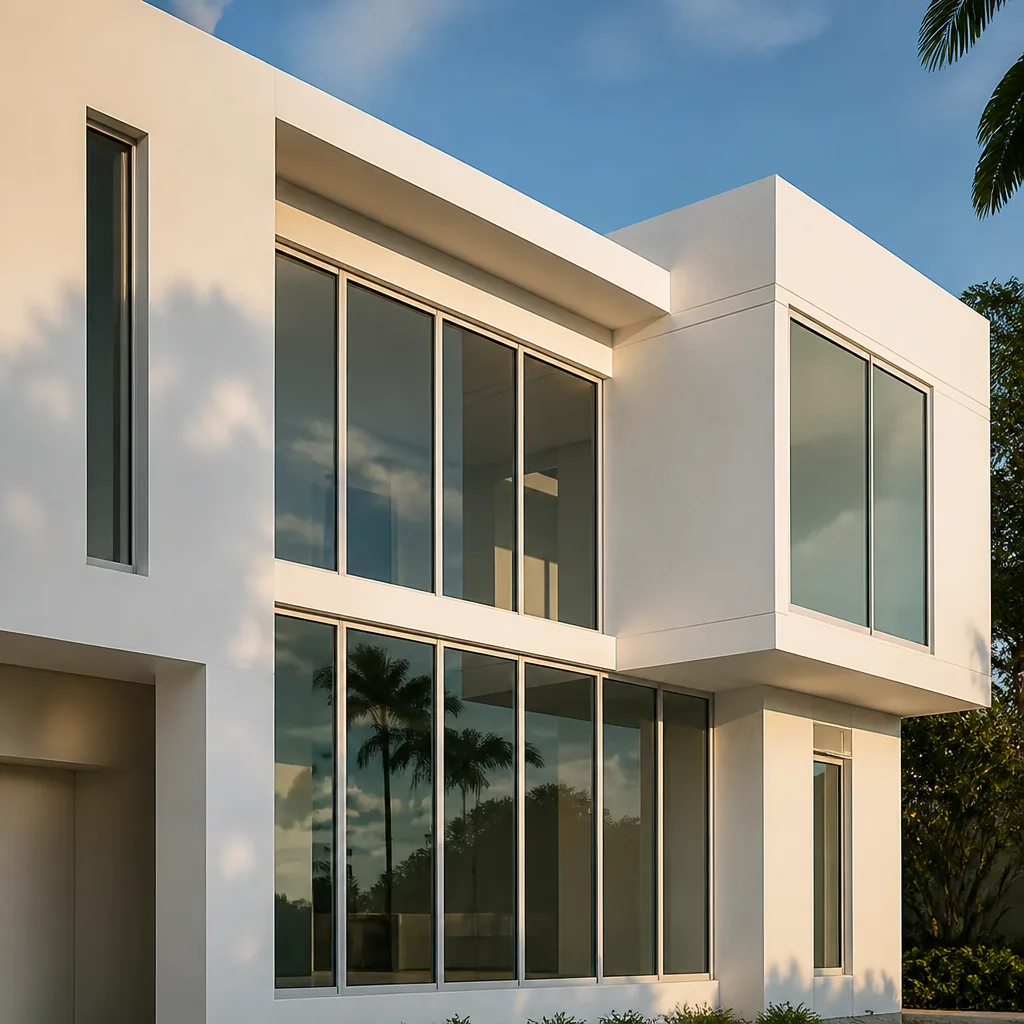
Windows and doors in North Miami must carry a Miami-Dade Notice of Acceptance (NOA), match the wind-load design pressure of the specific address zone (typically +50 to +70 PSF for coastal North Miami versus +40 to +55 PSF inland), and be installed to the rough-opening specifications in that exact NOA document. The complete process runs from measured survey through permit pull, install, and final inspection, with City of North Miami permitting adding 3-5 business days to unincorporated Miami-Dade timelines.
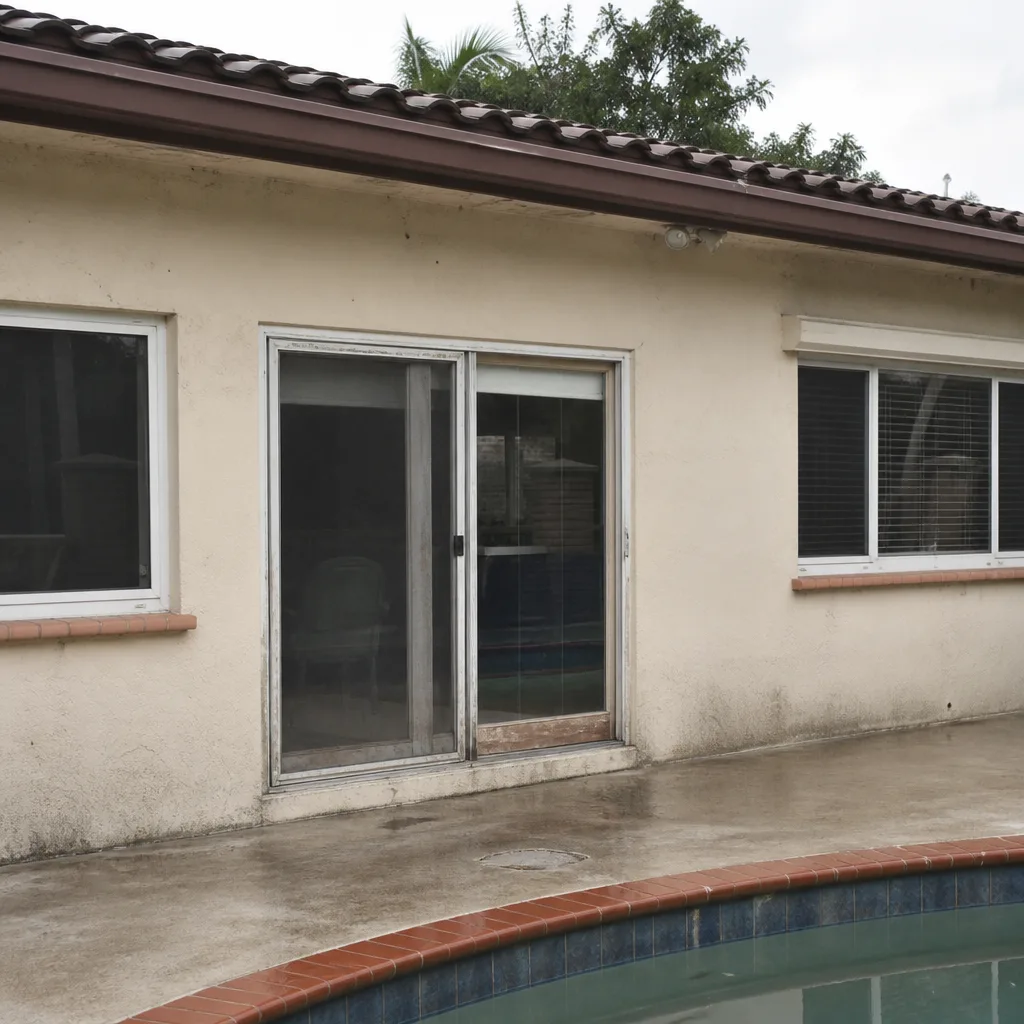 Before
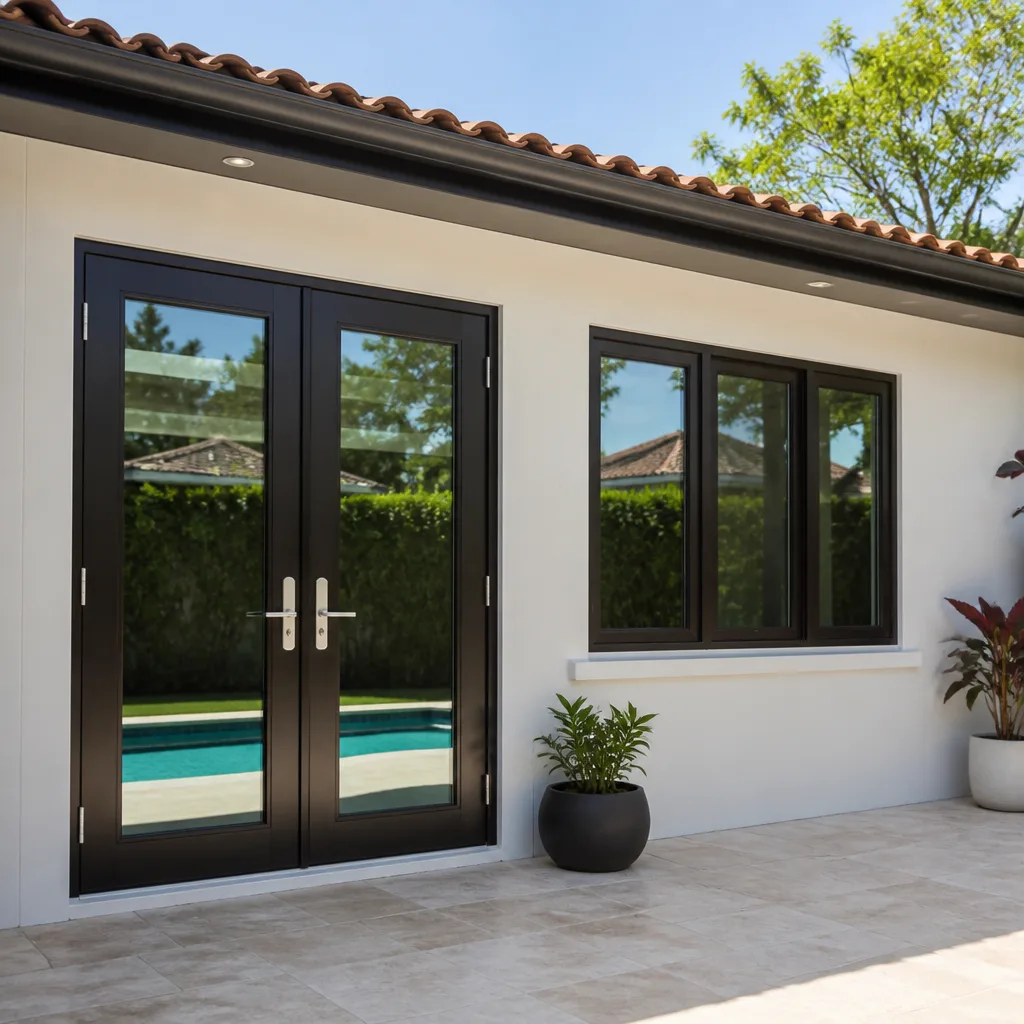 After
AfterTable of Contents
- How Miami-Dade NOA Numbers Work
- Wind-Load Design Pressure Zones in North Miami
- Material Comparison for Salt-Zone Proximity
- What a Measured Survey Produces
- City of North Miami Permitting Timeline
- Product Selection by Opening Type
- The Installation Sequence
- Common Mistakes to Avoid
- When to Call a Professional
- Frequently Asked Questions
How Miami-Dade NOA Numbers Work
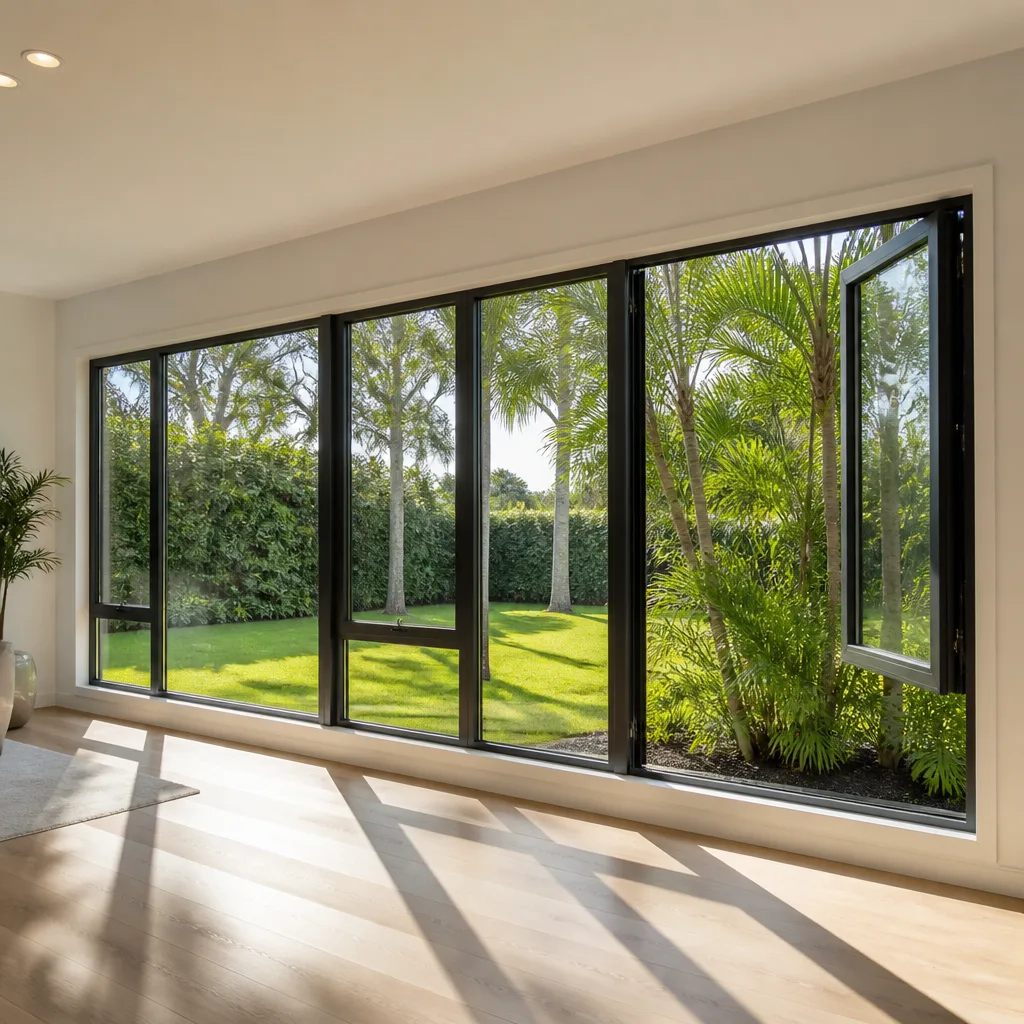
A Notice of Acceptance is not a general approval. It is a product-specific engineering document filed with Miami-Dade County that lists exact dimensions, anchor patterns, frame depths, and pressure ratings for one SKU. The NOA number, something like 18-0723.04, ties the product to the install method. Change the anchor spacing by half an inch, and the installation is no longer covered by that NOA.
Here is what produces North Miami inspection failures:
- The installer uses the manufacturer’s generic installation guide instead of the NOA-specific detail sheet
- The rough opening is framed to the catalog dimension, not the NOA’s “minimum frame opening” dimension
- Fasteners are substituted for “equivalents” not listed in the NOA’s fastener schedule
- The product carries a Florida Product Approval but not a Miami-Dade NOA - Broward and Palm Beach accept the state approval; Miami-Dade does not
We have reviewed competitor quotes where the product listed was Florida Product Approved but carried no Miami-Dade NOA. In North Miami, that product cannot pass inspection. The customer learns this at final, with the wall open and the permit expired.
The eight manufacturer lines we specify - PGT, CGI, CWS, ES Windows, ECO Window Systems, Mr-Glass, Therma-Tru, and ViewLux - are each verified for current Miami-Dade NOA status before we quote. The NOA number is written on the quote document. The customer keeps it. If an inspector asks, the answer is in the file they already have.
Haven Clause 1: Have it in writing. The NOA reference on the quote is part of that.
Wind-Load Design Pressure Zones in North Miami
Florida Building Code divides Miami-Dade County into wind-borne debris regions with design pressure requirements based on exposure category, height, and distance from the coastline. North Miami sits at the intersection of multiple zone boundaries.
Addresses east of Biscayne Boulevard, particularly in neighborhoods like Keystone Point and Sans Souci, fall into Exposure Category D with basic wind speeds of 175 mph and design pressures typically ranging from +55 to +70 PSF for ground-level residential openings. West of Biscayne Boulevard, toward North Miami Beach and the area near Florida International University’s Biscayne Bay Campus, Exposure Category C applies with design pressures from +45 to +60 PSF for similar openings.
The difference matters for product selection. A window rated to +50 PSF installed in a +65 PSF zone fails code even if the glass itself would survive the wind. The pressure rating is a structural calculation: frame deflection, fastener withdrawal, and corner joint integrity under cyclic loading.
We determine the design pressure requirement during the measured survey using the address-specific ASCE 7-22 wind load calculator, not a zip-code average. The resulting number is written on the quote. That is Haven Clause 1 again - the measurement and the quote are the same document.
For second-story and above installations, the height exposure adjustment can add 10-15 PSF to the requirement. In North Miami’s mid-century ranch and split-level stock, we regularly see first-floor ratings of +55 PSF and second-floor ratings of +65 PSF on the same structure. Two different products, or two different fastener patterns from the same product line, may be required.
Material Comparison for Salt-Zone Proximity
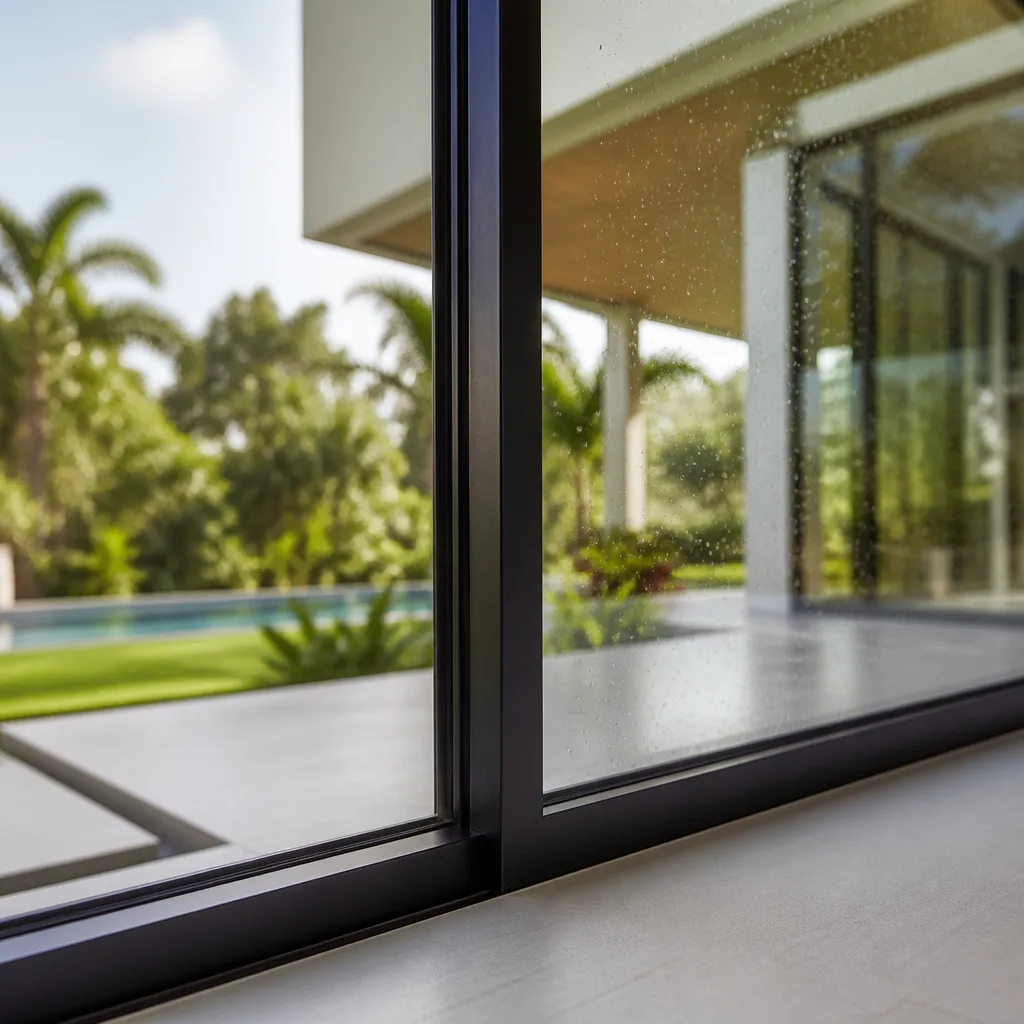
North Miami’s distance from the Atlantic and Biscayne Bay places most addresses within 3 miles of salt water. The corrosion rate for unprotected aluminum in this zone, per ASTM B117 testing, is approximately 0.8-1.2 mils per year. For context, a standard aluminum window frame wall thickness is 0.060 inches, or 60 mils. Unprotected, the frame loses structural integrity in 50-75 years - but surface pitting, seal degradation, and hardware failure occur much sooner.
Here is how frame materials perform in North Miami’s salt zone, with the warranty language we have reviewed from each manufacturer’s North Florida service agreements:
| Material | Corrosion Mechanism | Typical Warranty Term (North Miami) | Maintenance Requirement |
|---|---|---|---|
| Vinyl (uPVC) | None - salt does not degrade polymer | Lifetime limited, often transferable once | Clean with mild detergent; no painting |
| Aluminum, mill finish | Galvanic corrosion at fasteners, pitting | 10-20 years frame, 5-10 years finish | Annual inspection of weep holes and fasteners; touch-up of scratches |
| Aluminum, anodized or Kynar-coated | Protected - coating sacrificial | 20-30 years finish, lifetime frame | Wash quarterly; inspect coating integrity |
| Fiberglass | None - inert material | Limited lifetime | Paint if desired; clean as needed |
| Aluminum-clad wood | Corrosion at cladding seams; rot if water ingress | 20 years cladding, 10 years glass seal | Inspect cladding seams annually; re-caulk as needed |
| Thermally broken aluminum | Same as aluminum; thermal break polymer unaffected | 20-30 years finish | Same as coated aluminum |
We see the most warranty claims in North Miami on mill-finish aluminum products installed 15-20 years ago, particularly in waterfront neighborhoods where salt spray concentration is highest. The frames are structurally sound but the hardware pockets have corroded, making operation difficult and locking unreliable.
For replacement projects in North Miami’s older housing stock - much of it built 1950-1980 with original aluminum windows - we typically specify either vinyl or thermally broken aluminum with a coastal-rated finish. ES Windows and ECO Window Systems both offer Miami-Dade NOA-approved products in vinyl; PGT and CGI dominate the thermally broken aluminum category. The choice depends on the design pressure requirement and the customer’s preference for frame sightline width.
What a Measured Survey Produces
A sales-floor quote measures the window opening from drywall to drywall and prices a standard size down or up. That is not what we do - see our DIY vs Professional Windows & Doors: The North Miami Homeowner’s Decision Guide for why the difference matters. The measured survey is a documented site visit that produces five specific items:
- Frame opening dimensions - measured to the structural rough opening, not the finish surface, with plumb, level, and square readings recorded for each opening
- Structural substrate identification - concrete block with or without furring, wood frame, steel stud, or mixed construction, which determines the fastener type and embedment depth
- Design pressure calculation - address-specific, height-adjusted, exposure-category-verified
- Product specification - manufacturer, series, and NOA number matched to the opening requirements
- Written scope and price - the document the customer keeps, which cannot differ from the final invoice
The measured survey takes 45-90 minutes for a typical North Miami single-family home. The customer receives the document before any commitment is made. If they bring us a competitor’s written estimate, we perform a free second opinion - we review the product specification against the opening requirements and identify any mismatch.
In 18,000+ openings since 2012, we have never started work without the customer holding the written price. That is not a promotion. It is Haven Clause 1, and it is how we operate.
The measured survey also documents existing conditions with photographs - wall condition around the opening, interior trim, exterior cladding, and any structural concerns. This is Haven Clause 4: Evidence on every job. If a dispute arises about whether a crack existed before installation, the photo record exists.
City of North Miami Permitting Timeline
City of North Miami operates its own building department, separate from unincorporated Miami-Dade County. The timelines differ, and the difference matters for project planning.
Unincorporated Miami-Dade County (for comparison):
- Plan review for window/door replacement: 5-10 business days
- Permit issuance after approval: 1-2 business days
- Total to first inspection: 6-12 business days
City of North Miami:
- Plan review for window/door replacement: 8-15 business days
- Additional review if NOA is not on file with city: 3-5 business days
- Permit issuance after approval: 2-3 business days
- Total to first inspection: 10-23 business days
The additional time in North Miami comes from two factors. First, the city maintains its own NOA verification process - if the product’s Notice of Acceptance is not already in the city’s digital file, staff request it from the manufacturer or the applicant. Second, North Miami requires a separate floodplain verification for addresses in the AE zone, which covers portions of the city east of NE 123rd Street and north toward the county line.
We pull permits as part of our scope. The customer does not visit the building department. We submit the measured survey, the product NOA, the design pressure calculation, and the installation detail sheet. The permit application is tracked by our office, with status updates provided to the customer.
Inspection scheduling in North Miami requires two visits: rough inspection (if framing modifications were made) and final inspection. Rough inspection verifies the opening preparation against the NOA. Final inspection verifies the installed product, the anchor pattern, and the operability. We schedule inspections; the customer does not need to be present if we have access.
Product Selection by Opening Type
North Miami’s housing stock determines the common opening types we encounter. The city has significant mid-century construction (1945-1970), a wave of 1980s-1990s construction, and infill development from the 2000s forward. Each era has typical opening configurations with specific product considerations.
Single-Hung and Horizontal Roller Windows
The dominant replacement type in North Miami’s older stock. Single-hung windows are fixed upper sash, operable lower sash. Horizontal rollers have one or both sashes that slide sideways. For impact-rated replacement, the horizontal roller is often preferred because the operable sash weight is supported by the track, not balanced by a coil spring - fewer wear points in salt air.
We specify PGT WinGuard or ES Windows impact-rated lines for these openings when design pressures are +55 PSF and above. For lower pressure zones, ECO Window Systems offers competitive U-factor and SHGC ratings with narrower frame profiles.
Sliding Glass and French Doors
North Miami’s 1950s-1970s ranch homes typically have 6-foot or 8-foot sliding glass doors opening to patios. The original units are single-pane aluminum with failed seals. Replacement requires careful attention to the threshold condition - concrete spalling at the sill is common, and the measured survey documents this for scope inclusion.
CGI and PGT both offer sliding door systems with Miami-Dade NOA ratings to +70 PSF. For customers prioritizing energy performance over maximum impact rating, Therma-Tru’s entry door systems with impact-rated glass inserts offer an alternative, though these are typically specified for front and side entry applications rather than patio.
Impact Garage Doors
North Miami’s garage door openings are often 16 feet wide by 7 or 8 feet high. The wind-load requirement for these large openings is substantial - design pressures of +60 to +75 PSF are common. The product must carry a Miami-Dade NOA specifically for garage door applications, which includes the track mounting, the jamb attachment, and the door curtain itself.
Mr-Glass and ViewLux both offer impact-rated garage door systems with Miami-Dade approval. The measured survey for garage doors includes header condition assessment - we have found rotted wood headers in North Miami’s older homes where roof leaks went unaddressed, and this must be repaired before the door system can be anchored.
Custom and Geometric Windows
Mid-century modern homes in North Miami’s upper east side neighborhoods feature geometric window configurations - triangles, trapezoids, and radius tops - that cannot be replaced with standard catalog sizes. These require custom fabrication with Miami-Dade NOA compliance.
The lead time for custom geometric impact windows is typically 8-12 weeks versus 4-6 weeks for standard sizes. The measured survey for these openings includes a full-size template or digital measurement file submitted to the manufacturer for shop drawing approval. We do not proceed to fabrication until the customer approves the shop drawing - another instance of Haven Clause 1, having it in writing.
The Installation Sequence
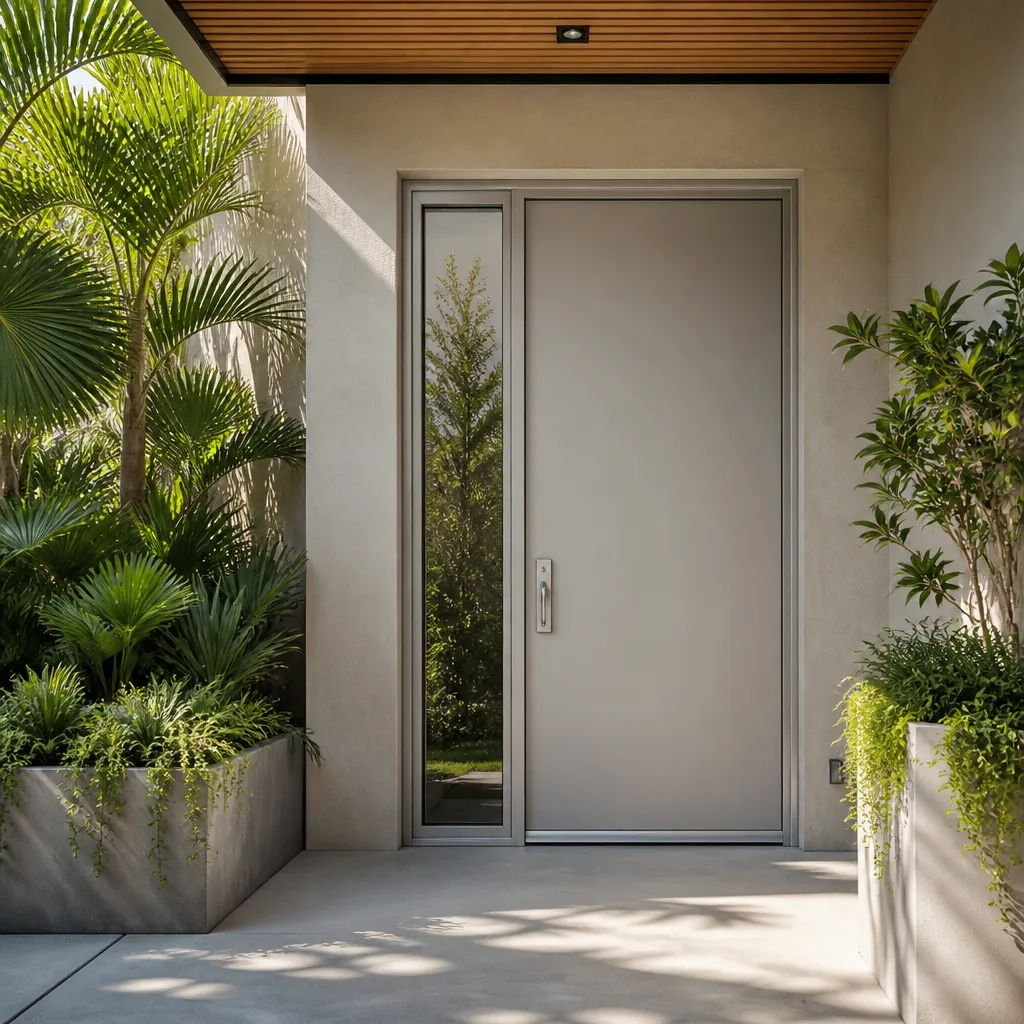
The following sequence applies to a typical window replacement in North Miami. Door and door installation follow similar steps with additional hardware and threshold details.
- Pre-construction meeting - Review the measured survey, NOA document, and installation detail with the customer. Confirm product color, grid pattern, and hardware finish. The customer initials each page.
- Permit pull - Submit application to City of North Miami building department. Provide customer with permit number for online tracking.
- Material delivery - Product delivered to our warehouse, inspected for damage, and held until installation date. Customer is not responsible for storage.
- Opening preparation - Remove existing unit. Inspect rough opening for water damage, termite damage, or structural compromise. Document with photographs. Repair if within scope; stop and consult if additional work is required.
- Frame installation - Install per NOA detail: anchor type, spacing, embedment depth, and shim pattern. Check frame for plumb, level, and square. Record anchor locations photographically.
- Glazing and hardware - Install glass per manufacturer sequence. Test all operable hardware. Verify lock engagement and weatherstrip compression.
- Interior and exterior finish - Install trim, sealant, and flashing per NOA detail. Caulk joints tooled for appearance and water shedding.
- Site cleaning and photo documentation - Remove all debris. Photograph completed installation from interior and exterior. Upload to customer file.
- Inspection scheduling - Call for rough inspection if required, then final inspection. Accompany inspector with NOA document and installation photos.
- Warranty registration and customer closeout - Register product warranty with manufacturer. Provide customer with completed warranty card, photo record, and 365-Day Done Right Promise documentation.
Each step is documented. The customer receives the photo record. The permit is closed. The warranty is registered. Haven Clause 4: Evidence on every job. Haven Clause 5: No surprises - the price on the quote is the price on the invoice.
Common Mistakes to Avoid
- Accepting a quote without an NOA number. The product may be Florida Product Approved but fail Miami-Dade inspection. Always verify the specific NOA is current and matches the product SKU.
- Assuming all of North Miami has the same wind-load requirement. A home on Keystone Point has a different design pressure than a home west of Biscayne Boulevard. The quote must reflect the specific address calculation.
- Ignoring the measured survey’s structural findings. We have seen customers proceed with installation despite documented header damage, then face framing repair costs mid-project that were avoidable with pre-emptive scope adjustment.
- Choosing product by price without comparing U-factor and SHGC. North Miami’s cooling load is extreme. A window with poor SHGC (above 0.25) will increase annual energy costs by $200-400 per opening. The price difference between a basic and a high-performance unit is often recovered in 3-5 years.
- Failing to verify installer credentials. Miami-Dade requires a certified contractor for impact window installation. Ask for license number and verify active status. Our technicians arrive uniformed with license number visible - Haven Clause 3: Verified crews.
- Neglecting floodplain requirements. North Miami properties in the AE zone may have additional opening protection requirements or elevation considerations that affect door thresholds and window sill heights.
- Skipping the final inspection. An unpermitted installation voids the product warranty and creates title transfer issues. The permit must be closed with a passed final inspection.
When to Call a Professional
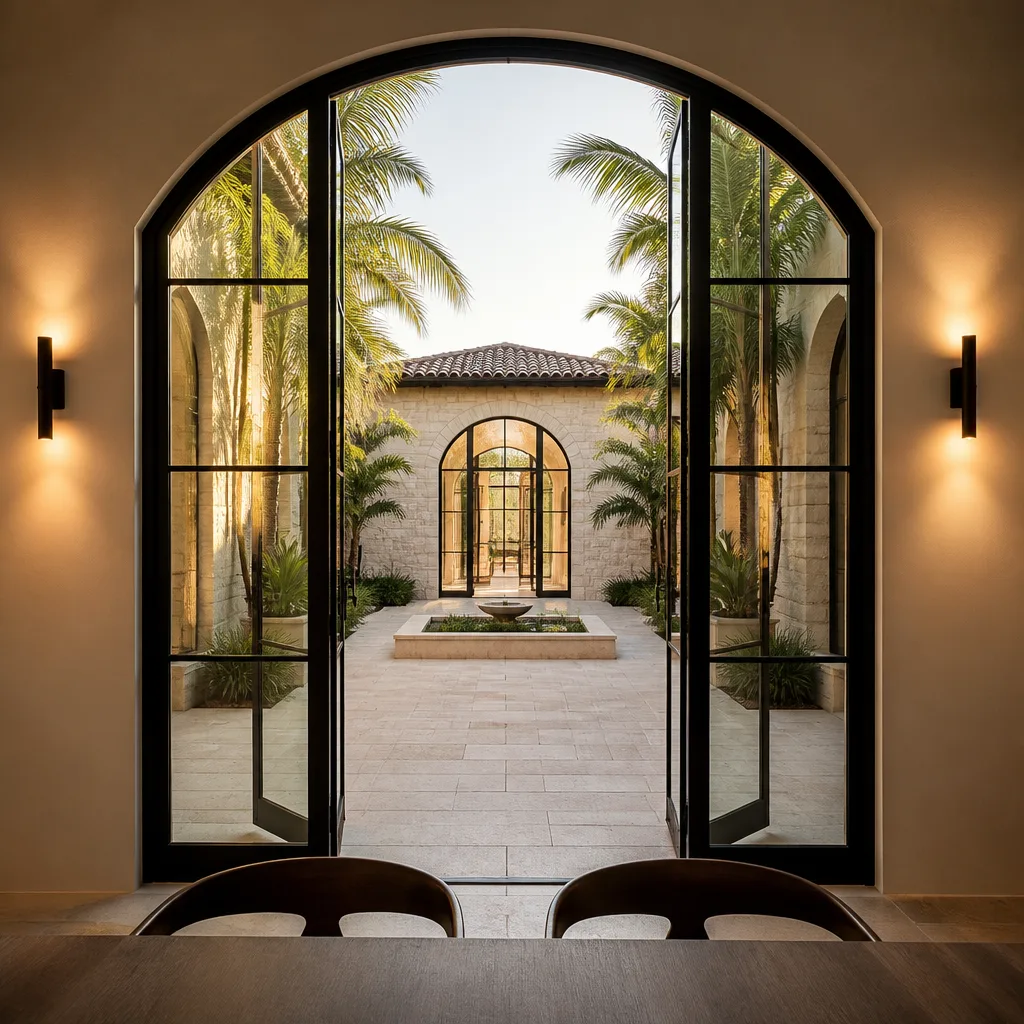
Call a professional when the opening shows visible frame deterioration, operation requires force, or the glass seal has failed with interior fogging. These conditions indicate the unit has reached end of service life, and continued operation risks glass breakage or water intrusion during storm events.
Call a professional before hurricane season if your home has non-impact windows in a wind-borne debris region - all of North Miami qualifies. For maintenance tips, see our Seasonal Windows & Doors Care for North Miami: Year-Round Homeowner’s Guide. The lead time for impact-rated products extends to 10-14 weeks in peak season. Planning in March or April avoids the rush.
Call a professional if you have received a quote and want verification. Sightline Windows & Doors North Miami offers free second opinions on any written estimate. Bring us the competitor’s document and we will review the product specification, NOA status, and scope against your opening requirements.
Sightline Windows & Doors North Miami offers free estimates in North Miami - call (786) 706-0468.
Frequently Asked Questions
Window replacement in North Miami typically ranges from $650 to $1,400 per opening for impact-rated vinyl units, and $850 to $1,800 per opening for thermally broken aluminum, depending on design pressure requirement, size, and installation complexity. Custom geometric windows and large-format openings run higher. Call (786) 706-0468 for an exact quote - estimates are free, and the written price is yours to keep.
No. Haven Clause 1 of our Haven Standard states that the measured survey and the written quote are the same document. If we encounter concealed damage during opening preparation, we document it, stop work, and present a separate written scope for the repair before proceeding. The original quote does not change.
Yes. We submit the permit application to City of North Miami, track its progress, and schedule inspections. The customer receives the permit number for online status checking but does not visit the building department.
Standard product lead time is 4-6 weeks after quote acceptance. City of North Miami permitting adds 10-23 business days. Installation of a typical single-family home takes 1-2 days. Custom products add 4-6 weeks to lead time. We provide a written timeline with the quote.
Miami-Dade County requires NOA documentation for all impact-rated products. Florida Product Approval is accepted in Broward, Palm Beach, and most other counties, but Miami-Dade inspectors will reject it. A product approved in Fort Lauderdale may fail inspection in North Miami for this reason alone.
If any aspect of the installation is not done right, we make it right - written into the Haven Standard, not a verbal assurance. This covers operation, seal integrity, finish, and hardware function. The promise is documented and transferable if the home sells within the coverage period.
We determine this during the measured survey using your specific address, structure height, and distance from coastline. Do not rely on neighborhood generalizations - we have found +15 PSF differences between homes on the same block due to height and exposure variations. The calculation is written on your quote.
The Bottom Line
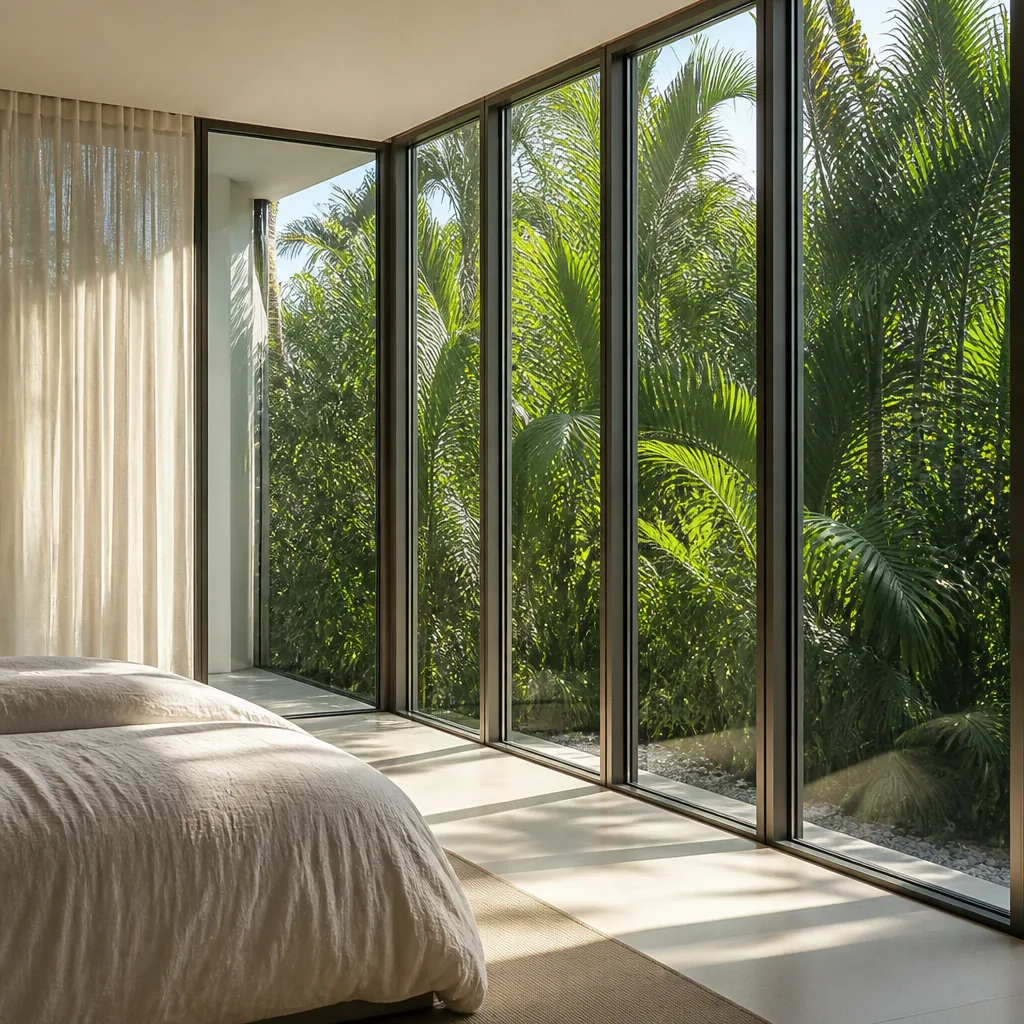
Windows and doors in North Miami are governed by a specific regulatory and environmental context: Miami-Dade NOA requirements, coastal wind-load calculations, salt-zone material science, and City of North Miami permitting timelines. Treating these as generic home-improvement decisions produces failed inspections, voided warranties, and replacement costs that exceed the original installation price. The correct sequence is measured survey, product specification matched to opening requirements, written quote, permit pull, installation to NOA detail, documented completion, and closed inspection. Every step produces a document the customer keeps. That is the Haven Standard, and it has governed every one of our 18,000+ installations since 2012.
Call (786) 706-0468 to schedule your free estimate. The measured survey and written price are yours before any commitment.
Written by Sonia Raman, Owner at Sightline Windows & Doors North Miami, serving North Miami since 2012.
Six Reasons Homeowners Choose Sightline Windows & Doors North Miami
Impact systems engineered to design pressures up to +/-100, matched to your wind zone - your openings hold when the storm arrives.
Low-E insulated impact glass from our manufacturer lines commonly cuts monthly cooling bills 20-30%.
Laminated impact glass shuts out up to 40% of outside noise - traffic, neighbors, weather.
Monitoring services run $30-90 a month. Laminated impact glass resists forced entry around the clock, with no subscription.
Florida homeowners average around 25% savings on the windstorm portion of their policy after protecting every opening - some homes qualify for more.
A full impact package upgrades curb appeal, buyer confidence and appraised value in one project.
Other Sightline Windows & Doors North Miami Services