Last updated September 24, 2026
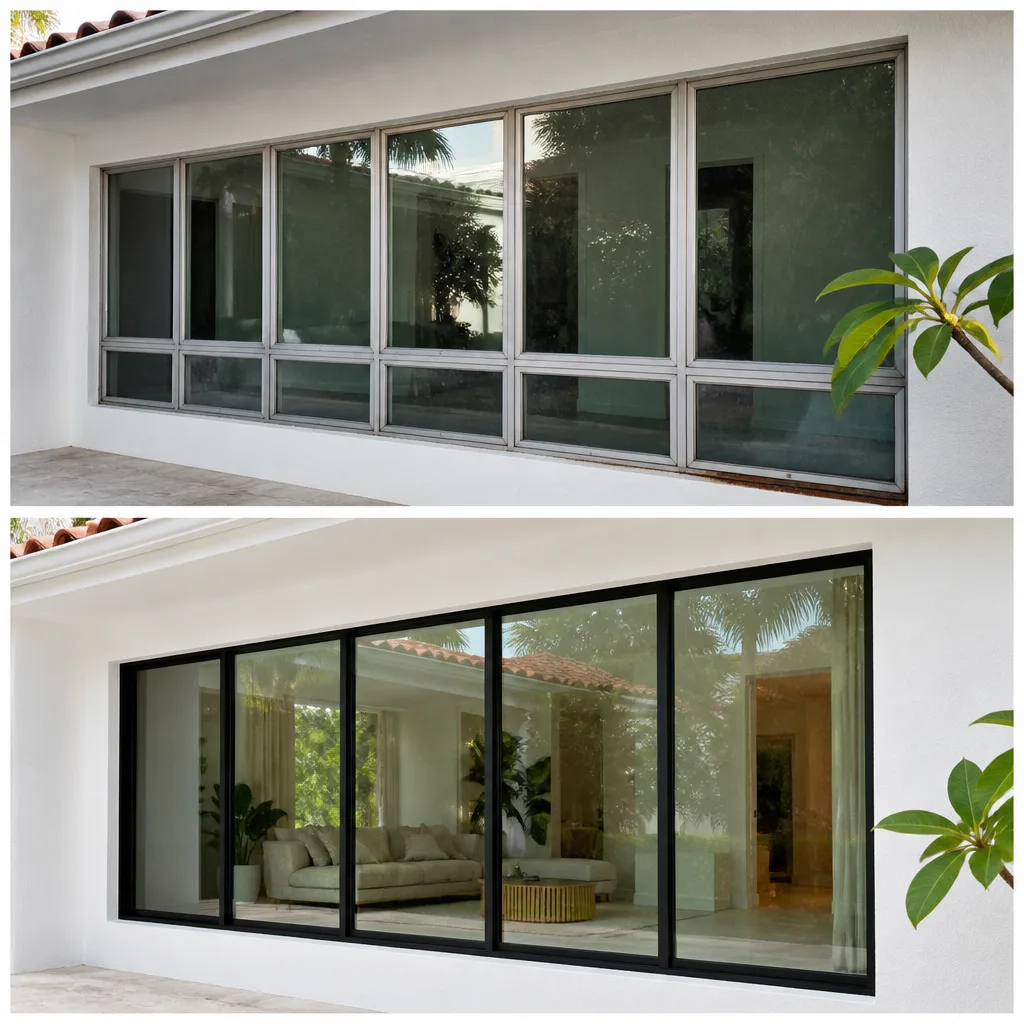
New windows and doors improve comfort, cut energy bills and add long-term value to your home. Sightline Windows & Doors North Miami pairs proven product lines with our own installing crews for lasting performance - and a price we put in writing.
1. Choose your installer
The unit is half the job - the install is the other half. Our own background-checked crews measure, set, seal and insulate every opening, and they know the lines we quote inside and out because they install them every week.
2. Select the right products
Compare styles, materials and glass packages side by side until the fit is right for your rooms, your budget and your goals. The product-line comparison below is the place to start.
3. Prepare your home for install
Before install day we walk you through a short checklist - furniture pulled back, treatments down, a clear path to each opening - so install day is watch-it-happen, not scramble.
Compare the Lines We Quote
Every project is priced on the same lines, side by side - the price indicators below are relative, and your consultant shows exact numbers on your actual openings.
PGTThe line Florida homeowners arrive naming - the most Miami-Dade certifications in the industry$$$
- More Miami-Dade NOA certifications than any other line we quote
- WinGuard, EnergyVue and ClassicVue Max systems built for every wind zone
- 99% on-time delivery keeps your install date on the calendar
CGIThe heavyweight impact line$$$$$
- Large-missile impact ratings for the strictest wind zones
- Architectural-grade aluminum with commercial-depth frames
- The line we quote when protection is the whole point
CWSThe Florida value pick$$
- Vinyl systems built in Florida for Florida codes
- Strong energy packages at the friendliest price point
- The smart start for whole-home replacements on a budget
ESWSlim lines, big glass$$$$
- Narrow-sightline aluminum for modern elevations
- Oversized openings and floor-to-ceiling glass
- Impact-rated without the bunker look
ECOThe aluminum impact workhorse$$$
- Miami-built aluminum impact systems
- A strong price-to-protection ratio for coastal homes
- Proven inventory lines with short lead times
Windows & Doors Permits, Codes & Inspections in FL: What You Need to Know
Replacing a single window in North Miami without a permit does not just risk a stop-work order - it creates a title encumbrance that must be disclosed in any future sale and can require demolition of finished work to allow inspection access. Florida’s window and door permit process operates in three simultaneous layers: state building code, county amendments, and municipal overlays. North Miami homeowners are subject to all three at once, which means a permit pulled correctly at the state level can still be deficient at the city level. This guide - alongside our Complete Guide to Windows & Doors in North Miami - decodes each layer, names the documents required at each, and explains how to avoid the reinspection fees and timeline penalties that catch most homeowners off guard.
Quick Answer
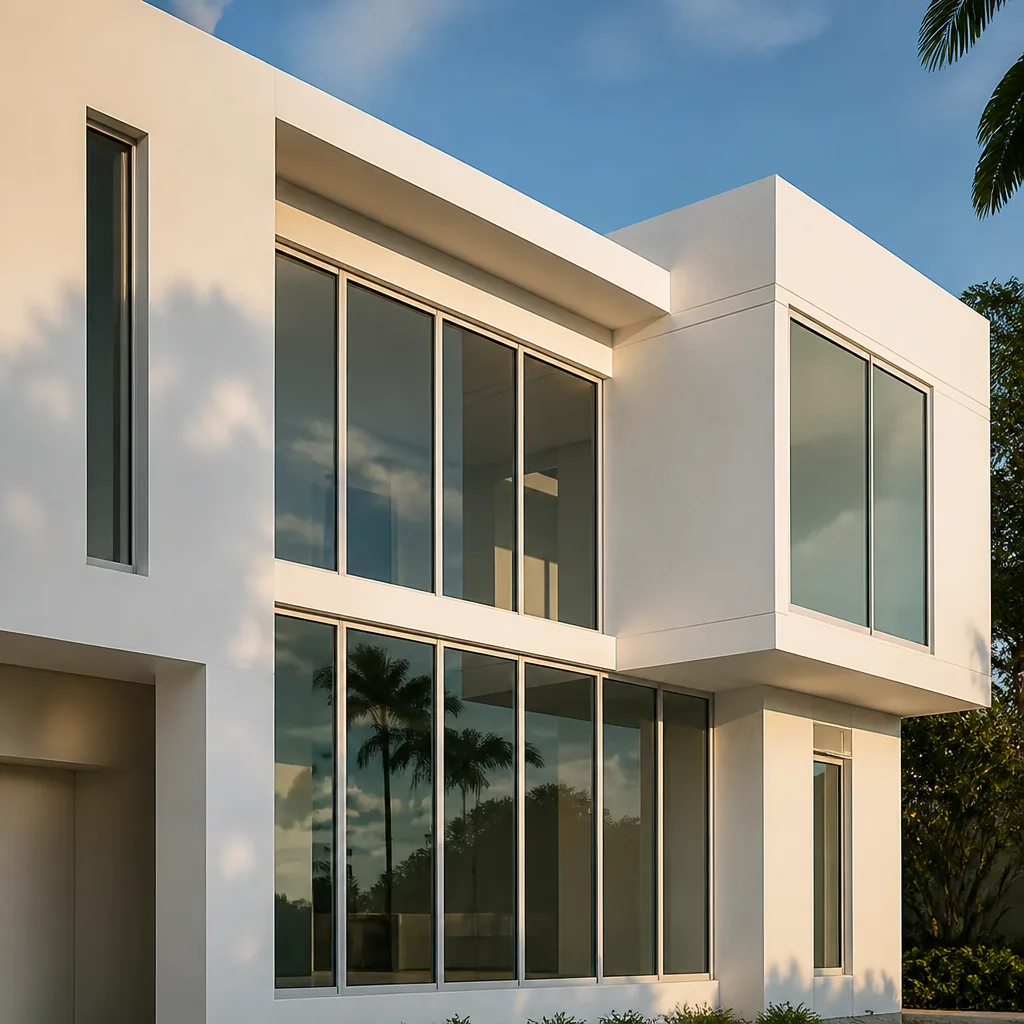
Window and door replacement in Florida requires a building permit in virtually every jurisdiction, including North Miami, and knowing the warning signs early can save homeowners from costly delays. The permit application must include either a Florida Product Approval (FPA) or a Miami-Dade Notice of Acceptance (NOA) for each product, proof of wind-borne debris compliance for impact-rated installations, and a signed contractor affidavit. Inspections typically occur at rough-in (before interior trim) and final (after completion), with reinspection fees of $100-$300 per visit if anchor spacing or flashing details deviate from the approved drawings.
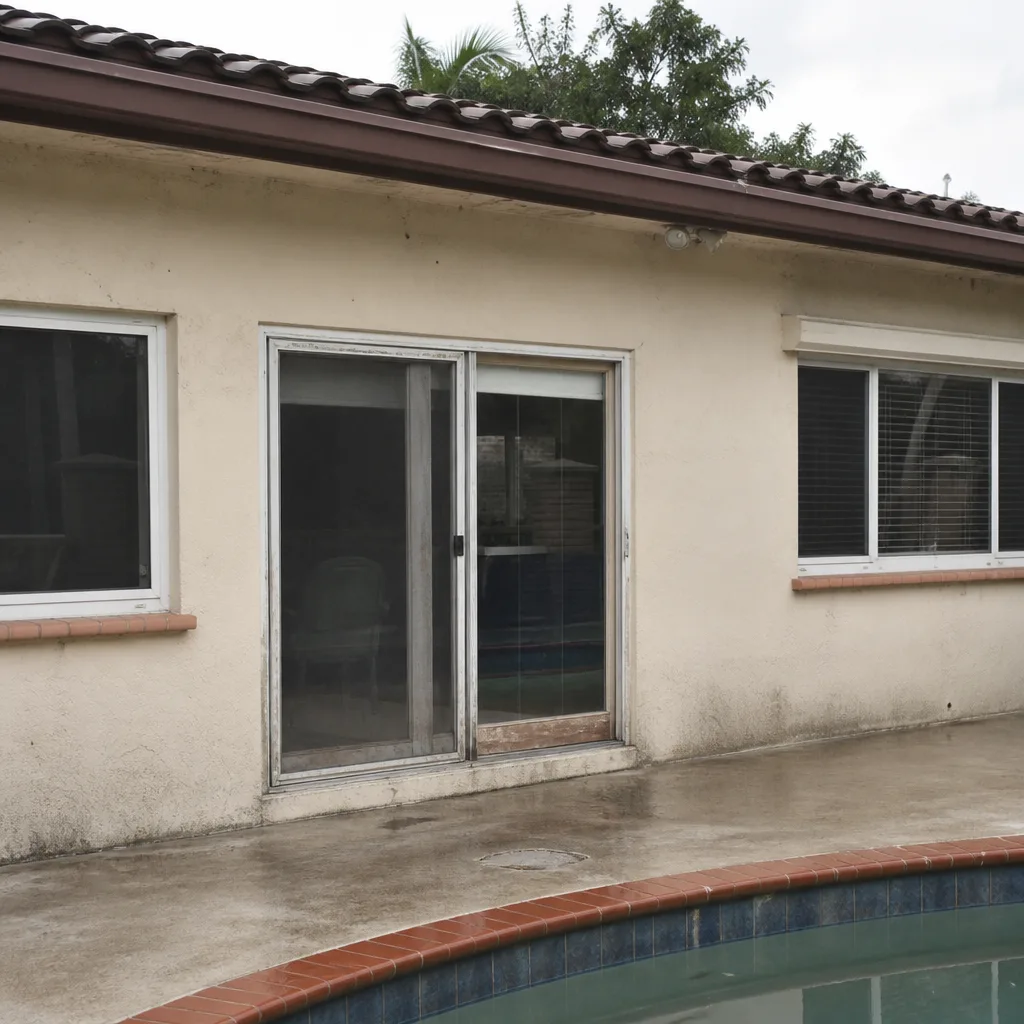 Before
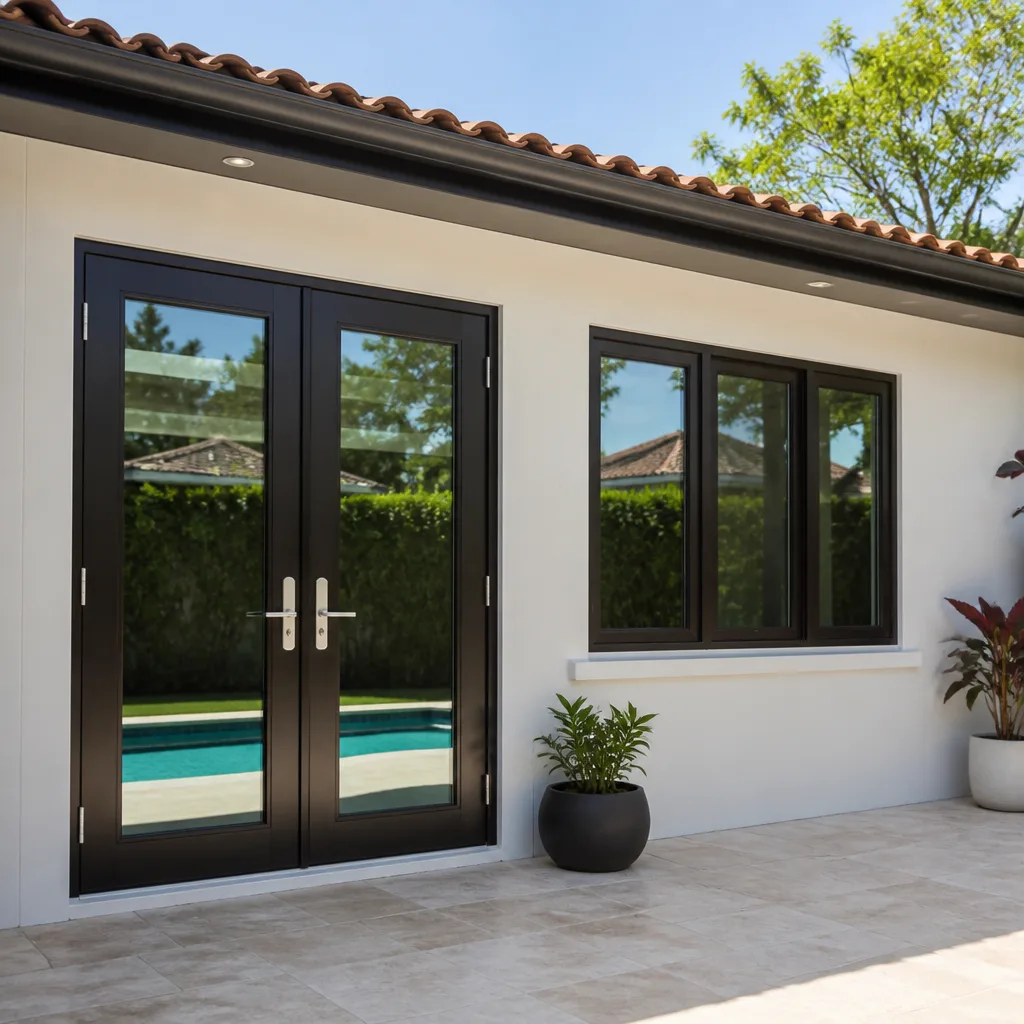 After
AfterTable of Contents
- How the Florida Building Code Governs Window and Door Work
- NOA vs. FPA: Which Document Your Permit Actually Needs
- North Miami Building Department Requirements vs. Miami-Dade County
- Threshold Inspections: When Window Work Triggers Structural Oversight
- Owner-Builder Permits vs. Contractor-Pulled Permits
- The Inspection Sequence and Reinspection Penalties
- Common Mistakes to Avoid
- When to Call a Professional
- Frequently Asked Questions
How the Florida Building Code Governs Window and Door Work
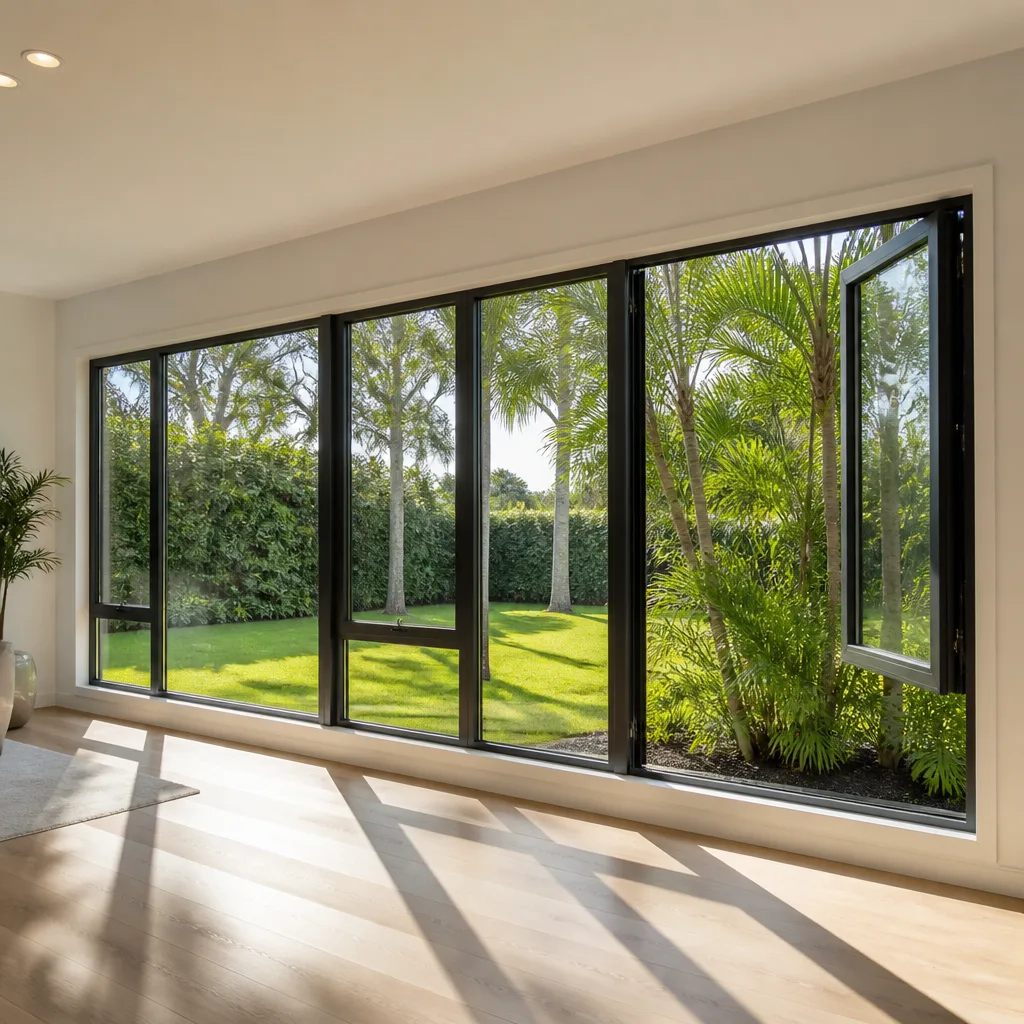
Florida operates under a unified Florida Building Code (FBC), currently the 7th Edition (2020) with 2023 amendments effective in most jurisdictions. For windows and doors, the code addresses three distinct hazards: wind pressure, wind-borne debris, and water intrusion. Each hazard carries specific testing requirements that determine whether a product can be installed in a given exposure zone.
Wind pressure ratings are expressed in design pressure (DP) values, measured in pounds per square foot (psf). In North Miami, located in Miami-Dade County’s High-Velocity Hurricane Zone (HVHZ), the minimum DP rating for most residential applications is 50 psf for windows and 60 psf for doors. These values increase for taller buildings and corner locations where wind loads concentrate. The FBC requires that every installed product carry a permanent label stating its DP rating, impact rating if applicable, and the approval number under which it was certified.
Wind-borne debris protection is mandatory in HVHZ areas. This means either impact-rated products (tested to ASTM E1886/E1996 with the large missile at 34 mph) or the installation of approved shutters over non-impact glass. Most North Miami homeowners opt for impact-rated windows and doors to avoid the maintenance and operational burden of shutters. The FBC distinguishes between “impact-protective systems” (the product itself) and “opening protection” (shutters or panels), and the permit application must specify which approach is being used for each opening.
Water intrusion testing under AAMA/WDMA/CSA 101/I.S.2/A440 establishes minimum performance for resistance to rain driven at specific pressures. In Florida’s subtropical climate, where annual rainfall exceeds 60 inches in North Miami and wind-driven rain is common during summer thunderstorms, this requirement is not academic. Failed water tests are a leading cause of reinspection in our experience.
The FBC also mandates specific installation methods. Anchor spacing, embedment depth, and fastener type must match the approved drawing submitted with the permit. For impact-rated installations, the anchor pattern is part of the product’s approval - deviating by even one fastener can void both the permit and the manufacturer’s warranty. We’ve documented this on hundreds of window installations in North Miami, where the photo record shows exactly what was installed and how.
NOA vs. FPA: Which Document Your Permit Actually Needs
Florida Product Approval (FPA) and Miami-Dade Notice of Acceptance (NOA) are not interchangeable, though many homeowners and some contractors treat them as such. Understanding which document your specific jurisdiction requires can mean the difference between permit approval and a rejected application that costs two weeks.
Florida Product Approval (FPA) is issued by the Florida Department of Business and Professional Regulation under statewide criteria. It certifies that a product meets the minimum requirements of the Florida Building Code for wind pressure, and if impact-rated, for wind-borne debris resistance. FPA is valid in all Florida jurisdictions except where a local government has adopted more stringent requirements.
Miami-Dade Notice of Acceptance (NOA) is issued by the Miami-Dade County Product Control Section and represents a higher bar. NOA testing includes HVHZ-specific protocols that exceed FPA minimums, particularly for cyclic wind pressure loading and large-missile impact at the pressures experienced in coastal South Florida. An NOA is required for permit submittal in Miami-Dade County, including North Miami, Broward County, and most other coastal jurisdictions that have adopted HVHZ standards by reference.
| Document | Issuing Authority | Accepted In | Typical Cost to Obtain |
|---|---|---|---|
| Florida Product Approval (FPA) | Florida DBPR | Non-HVHZ counties statewide | Manufacturer-funded; no direct cost to homeowner |
| Miami-Dade NOA | Miami-Dade Product Control | Miami-Dade, Broward, Monroe, and HVHZ-adopting jurisdictions | Manufacturer-funded; no direct cost to homeowner |
| Both FPA + NOA | Both authorities | All Florida jurisdictions; required for some multi-state projects | Manufacturer-funded |
The practical implication: if you’re installing replacement windows in North Miami, your contractor must provide the NOA for each product, not just the FPA. The NOA includes detailed installation drawings showing anchor spacing, edge clearances, and flashing integration. These drawings become part of the permitted scope, and inspectors compare field conditions against them.
Some manufacturers, including CWS and ES Windows, maintain both FPA and NOA for their product lines. Others may have FPA only, which disqualifies their products from HVHZ installation. At Sightline, we specify products from our eight manufacturer lines - PGT, CGI, CWS, ES Windows, ECO Window Systems, Mr-Glass, Therma-Tru, and ViewLux - based on what the opening requires and which documents the jurisdiction demands. The measured survey we provide identifies the required rating; the written quote names the specific product and its approval number before any work starts.
North Miami Building Department Requirements vs. Miami-Dade County
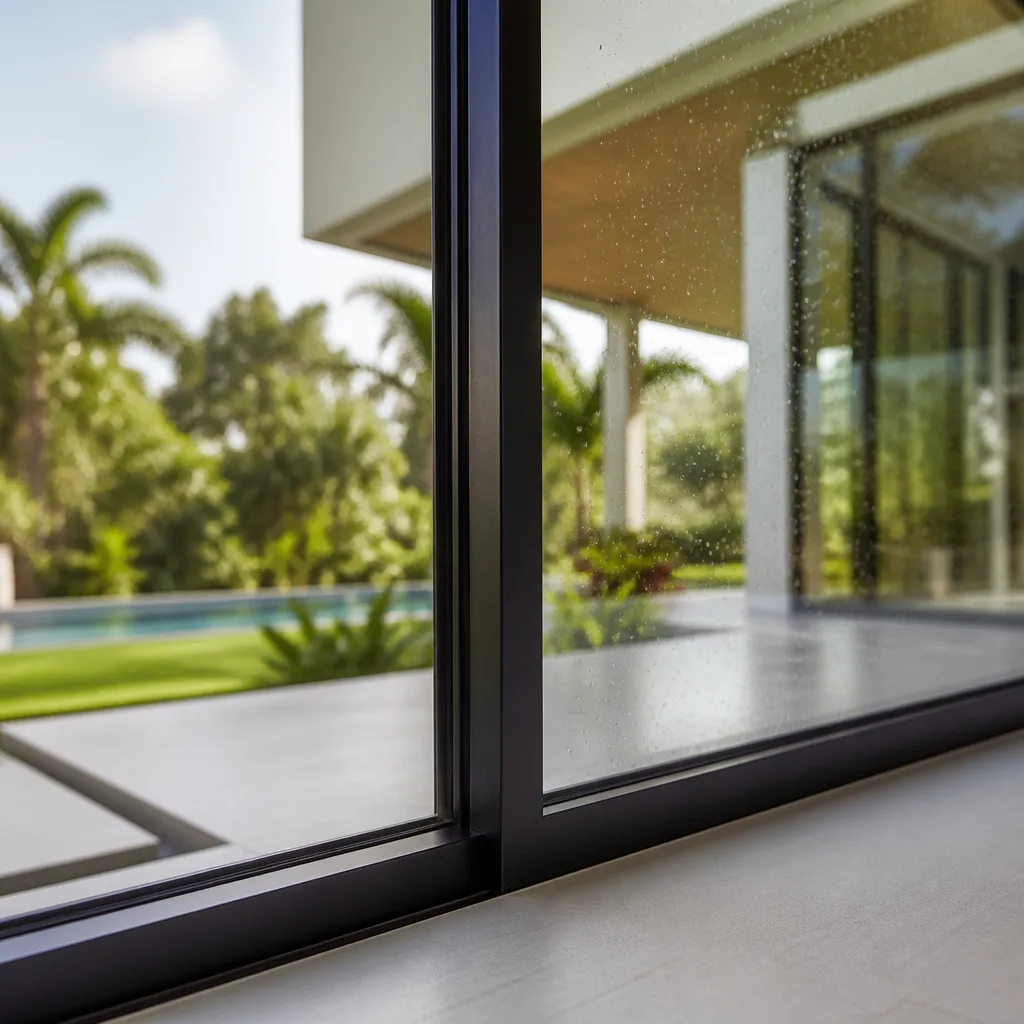
North Miami operates its own Building Department, separate from the Miami-Dade County Permitting, Building Code Compliance, and Enforcement operation. This creates a dual-track system that confuses many homeowners who assume county-level compliance satisfies city requirements.
Miami-Dade County’s online portal (MDX) handles permit applications for unincorporated areas and certain municipal jurisdictions that have contracted their permitting to the county. North Miami is not among them. However, North Miami Building Department references Miami-Dade County amendments to the Florida Building Code, including the HVHZ provisions, wind speed maps, and flood elevation requirements specific to the county.
North Miami Building Department’s specific submittal checklist includes items not found in the county portal:
- Completed building permit application with notarized owner signature or contractor affidavit
- Two sets of plans showing each opening location, dimensions, and product designation
- NOA for each product, including installation detail pages
- Energy compliance documentation (prescriptive path or performance-based)
- Flood zone verification - North Miami includes A, AE, and X zones with varying requirements
- Homeowner association approval letter if applicable
- Contractor’s current state license and proof of workers’ compensation or exemption
- Notice of Commencement for jobs exceeding $2,500
The flood zone requirement is particularly relevant in North Miami, where areas east of Biscay Boulevard and near the Arch Creek basin sit in AE zones with base flood elevations of 8-10 feet. Window and door installations in these zones must account for flood venting requirements for garage doors and ground-floor openings, even when the work is above the base flood elevation. We’ve encountered permits delayed because the flood zone verification was omitted, even for second-story window replacement.
North Miami also enforces a contractor registration requirement separate from state licensure. Contractors must register annually with the city and provide proof of general liability insurance naming the city as additional insured. An unregistered contractor cannot pull permits in North Miami, even with a valid state license. This trips up out-of-county contractors who assume state licensure is sufficient.
Permit fees in North Miami are calculated per $1,000 of valuation, with a minimum fee of approximately $100 for residential window and door work. Plan review typically takes 10-15 business days for straightforward residential projects, though this extends during peak season (May-September). The city offers counter hours and limited phone support; we find that permit status inquiries are most efficiently handled in person at the building department on NE 125th Street.
Threshold Inspections: When Window Work Triggers Structural Oversight
Florida Building Code Section 1704.2 requires threshold inspections for certain structural work, and window and door replacement can trigger these requirements depending on building type and scope.
For single-family residential structures, threshold inspection is not typically required for window and door replacement provided the work does not alter the structural frame, remove or modify load-bearing walls, or exceed 50% of the total opening area in any single wall line within a 12-month period. This means a homeowner replacing all windows in a single-family home in North Miami generally does not need a threshold inspector, assuming the rough openings remain unchanged and no walls are modified.
For multi-unit residential structures - condominiums, townhomes with shared walls, and apartment buildings - the threshold is lower. Any work affecting the building envelope in a structure over three stories or with a building area exceeding 5,000 square feet requires a threshold inspection plan prepared by a Florida-licensed engineer. The threshold inspector, who must be independent of the contractor, verifies that structural elements including anchor embedment, reinforcement, and connections match the approved documents.
The practical impact for North Miami homeowners: if you live in a condominium along Biscayne Boulevard or in one of the mid-rise buildings near North Miami Beach, your window replacement likely requires threshold inspection. The condominium association typically engages the engineer and inspector, but the cost flows to the unit owner. Timeline adds 2-4 weeks for engineer review and inspector scheduling.
We’ve completed door installations in North Miami condominium buildings where the threshold inspection revealed that original construction anchors did not meet current NOA embedment requirements. The approved repair - longer anchors with epoxy injection - added $400 per opening but avoided a failed inspection that would have required removal of the installed frame. Our documented photo record captured the original condition, the engineer’s directive, and the completed repair, all included in the customer’s file under Haven Clause 4 (Evidence on Every Job).
Owner-Builder Permits vs. Contractor-Pulled Permits
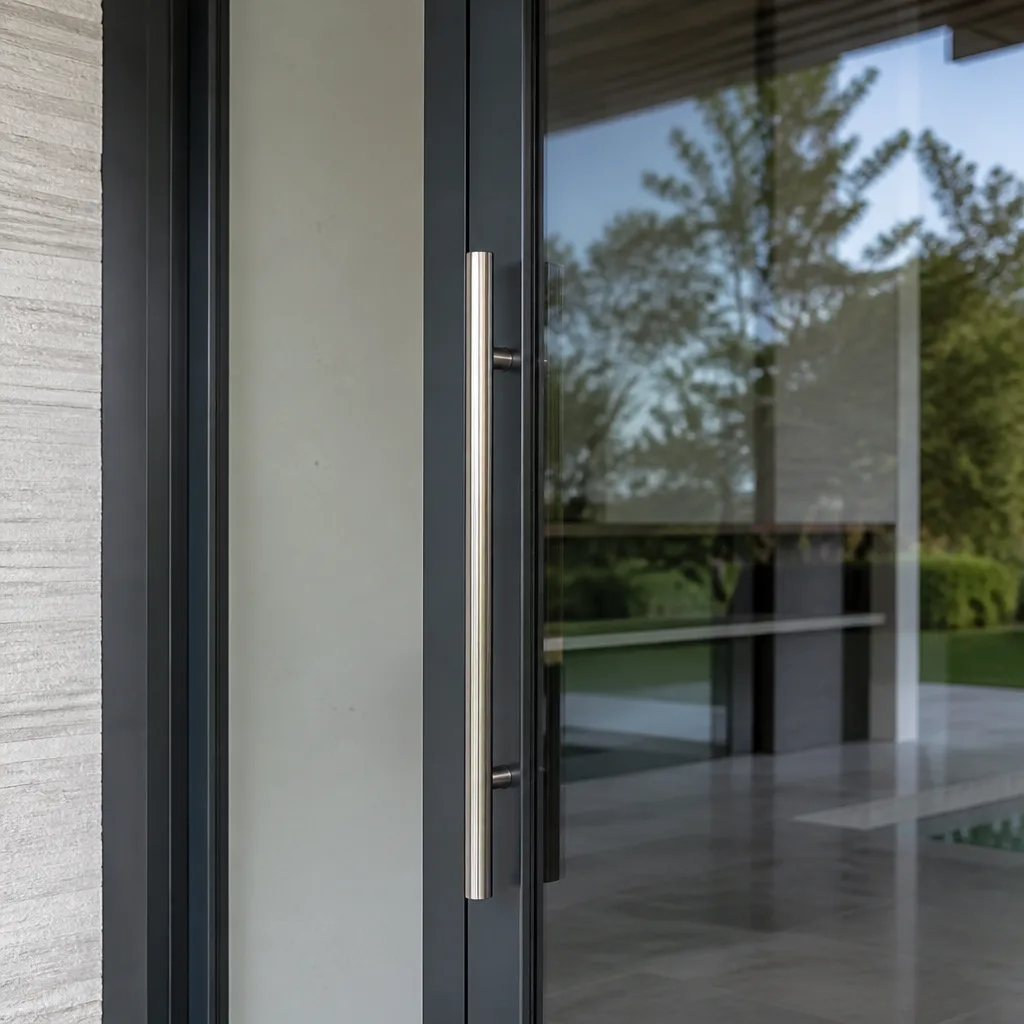
Florida law allows homeowners to act as their own contractor under an owner-builder permit, but the differences from contractor-pulled permits are substantial and often misunderstood - our DIY vs Professional guide breaks down when each path makes sense.
Liability exposure is the primary distinction. A contractor-pulled permit carries the contractor’s general liability and workers’ compensation insurance. An owner-builder permit places liability squarely on the homeowner, including injury to workers, damage to adjacent properties, and code violations discovered after completion. In North Miami, we’ve seen owner-builder permits create title issues at sale when subsequent buyers discover unpermitted or improperly inspected work performed under the original owner-builder exemption.
Inspection sequence differs as well. Owner-builder permits receive the same inspection points - rough-in and final for window and door work - but inspectors scrutinize owner-builder work more closely, knowing no licensed contractor stands behind it. Failed inspections on owner-builder permits require the owner to correct the deficiency and reschedule; there is no contractor to dispatch for the callback.
Insurance implications are often overlooked. Standard homeowners insurance policies typically exclude damage from work performed without a licensed contractor. If an owner-builder installation fails during a storm, the insurer may deny the claim based on the owner-builder exemption clause. Some insurers specifically exclude owner-builder window and door work in HVHZ areas, requiring proof of contractor licensure and permit compliance for wind coverage.
Resale disclosure is mandatory. Florida Statute 489.103 requires owner-builder work to be disclosed in any property sale, with specific language in the disclosure documents. Failure to disclose can void the sale or create post-sale liability. More critically, if the owner-builder work was not properly inspected or permitted, the new owner assumes the compliance burden - including potential demolition to allow inspection access.
We’ve been called to North Miami homes where owner-builder window installations from 5-10 years prior were discovered during refinancing or sale. The cost to bring these into compliance - pulling retroactive permits, exposing framing for inspection, and correcting deficiencies - typically runs 150-200% of the original installation cost. Haven Clause 1 (Have It in Writing) exists precisely because the written permit, the written inspection record, and the written warranty are the documents that transfer cleanly to subsequent owners.
The Inspection Sequence and Reinspection Penalties
Window and door inspections in North Miami follow a defined sequence with specific documentation requirements at each stage. Understanding this sequence prevents the scheduling errors and preparation failures that generate reinspection fees.
Rough-in inspection occurs after the old product is removed, the opening is prepared, and the new frame is set but before interior trim, exterior cladding repair, and finish work. The inspector verifies:
- Product matches the NOA submitted with the permit (label verification)
- Anchor type, spacing, and embedment match the NOA installation detail
- Flashing integration with weather-resistant barrier is visible and continuous
- Shim spacing and fastening are per manufacturer’s instruction
- Opening dimensions are within NOA tolerances
The frame must be exposed on all sides. If interior drywall or exterior stucco has been patched before rough-in, the inspector will fail the inspection and may require removal to expose the frame. This is the most common and most expensive rough-in failure we observe.
Final inspection occurs after all finish work is complete. The inspector verifies:
- Operable sashes and panels function correctly
- Locking mechanisms engage fully
- Interior and exterior trim is sealed and finished
- Weatherstripping is intact and continuous
- Impact-rated labeling is visible and legible
- Energy performance labels (NFRC) are present for code compliance
Reinspection fees in North Miami are assessed per failed inspection visit. The current schedule:
| Inspection Type | First Reinspection | Second Reinspection | Third and Subsequent |
|---|---|---|---|
| Rough-in | $100 | $150 | $200 + possible permit suspension |
| Final | $100 | $150 | $200 + possible permit suspension |
Timeline penalties apply when work remains uninspected beyond the permit expiration. North Miami permits expire 180 days from issuance if no inspection is called, or 180 days from the last approved inspection. Extensions require written request and fee payment. Abandoned permits must be formally closed, or they remain as open items on the property record.
In our experience, the leading causes of reinspection are: anchor spacing deviating from NOA detail (often from installers using “what we’ve always done” rather than the specific drawing); flashing details obscured by premature stucco or siding repair; and product substitutions made after permit issuance without amendment. Haven Clause 5 (No Surprises) means the product on the permit is the product installed, and the photo record proves it.
Common Mistakes to Avoid
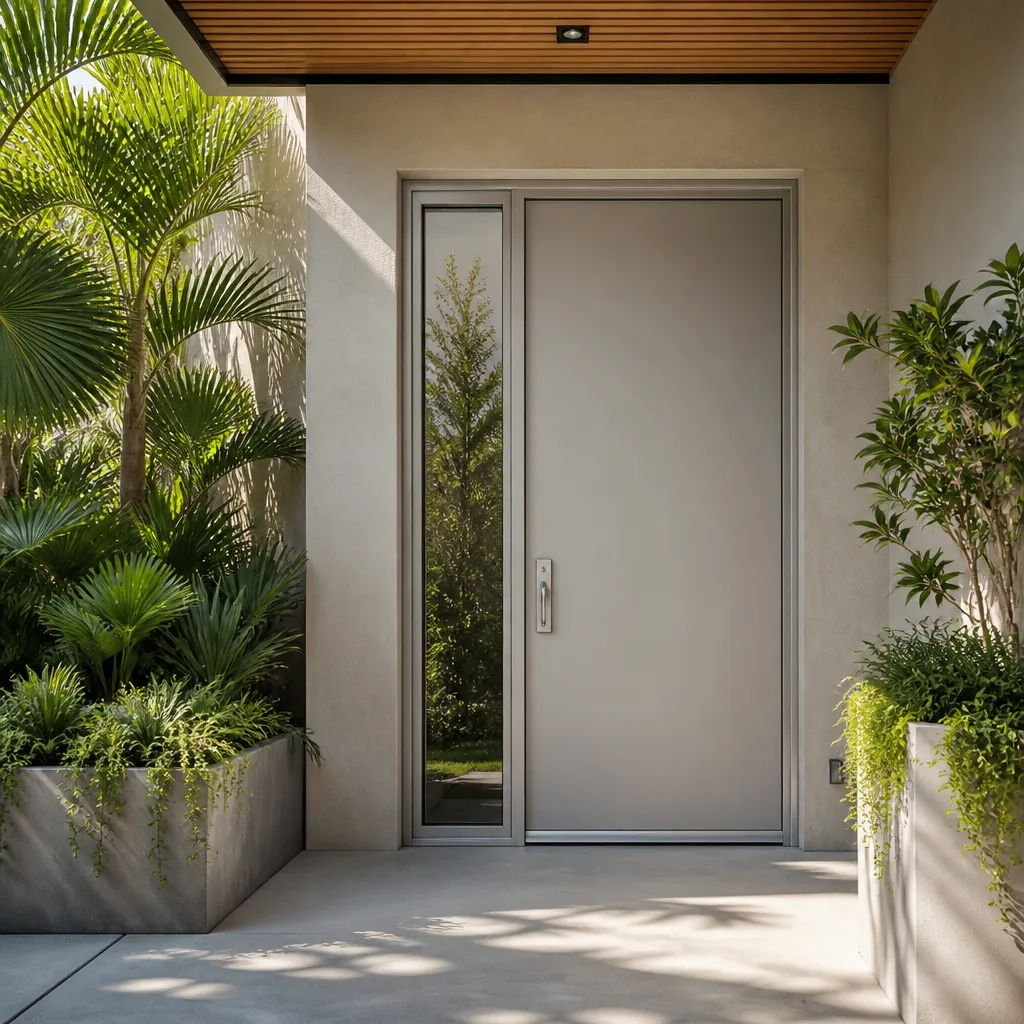
- Assuming FPA satisfies North Miami requirements. Miami-Dade’s HVHZ status requires NOA for virtually all window and door products. Submitting FPA alone results in immediate plan review rejection and 2-3 week delay.
- Beginning demolition before permit issuance. North Miami enforces active permit verification; starting work without a posted permit risks a stop-work order with escalating penalties.
- Using the same anchor pattern for every opening. NOA installation details vary by product size, wall type, and wind exposure. Corner windows and tall units often require closer anchor spacing than center-of-wall units.
- Repairing interior drywall before rough-in inspection. The inspector must see the frame on all sides. Drywall or trim installed early conceals the critical verification points and triggers a fail.
- Neglecting flood zone verification for ground-floor work. North Miami’s AE zones require specific documentation even for above-BFE work. Missing this adds a plan review cycle.
- Failing to amend the permit for product substitutions. If the specified product becomes unavailable, the permit must be amended before installation. Installing a different product under the original permit is a code violation.
- Ignoring contractor registration requirements. An out-of-county contractor with valid state license but no North Miami registration cannot pull permits. Verify registration before signing any agreement.
When to Call a Professional
Call a licensed, insured contractor when your project involves impact-rated products, work in a flood zone, condominium or multi-unit structure, or any modification to rough opening dimensions. The permit complexity scales quickly, and the cost of error - reinspection fees, demolition for access, title encumbrances - exceeds professional fees in nearly every case.
Sightline Windows & Doors North Miami offers free estimates in North Miami. Every estimate includes the measured survey you keep, the written scope with named products and their NOA numbers, and the fixed price before any work starts, plus access to more guides & resources on permitting and compliance. Call (786) 706-0468 to schedule.
Frequently Asked Questions
Yes. North Miami requires a building permit for all window and door replacement, including like-for-like replacement in existing openings. The permit application must include product NOAs, energy compliance documentation, and contractor registration. Call (786) 706-0468 for an exact quote on your project - estimates are free.
Permit fees start at approximately $100 minimum for residential window and door work, calculated per $1,000 of project valuation. Plan review fees, inspection fees, and reinspection fees apply separately. A typical three-bedroom home with full window replacement runs $300-$600 in total permit costs. Call (786) 706-0468 for an exact quote - estimates are free.
FPA is Florida’s statewide product approval; NOA is Miami-Dade County’s higher-standard acceptance for High-Velocity Hurricane Zones. North Miami, in Miami-Dade County, requires NOA for permit approval. FPA alone will be rejected at plan review. The NOA includes detailed installation drawings that become part of your permitted scope.
Yes, under Florida’s owner-builder exemption, but you assume full liability for code compliance, worker injury, and insurance coverage. Owner-builder work must be disclosed at sale and can create title complications. Most North Miami homeowners find that contractor-pulled permits with documented inspection records transfer more cleanly to future buyers.
Plan review typically takes 10-15 business days for straightforward residential window and door replacement. Complex projects, threshold inspections, or incomplete applications extend this timeline. Once issued, permits expire in 180 days without an approved inspection. Call (786) 706-0468 to discuss your project timeline - estimates are free.
The inspector issues a correction notice identifying the specific deficiency. You must correct the issue and schedule a reinspection, with fees of $100 for the first reinspection, escalating to $200 for third and subsequent failures. Common failures include anchor spacing deviations, concealed framing, and product-label mismatches. The photo record from your original installation is critical evidence in disputing incorrect failures.
The Bottom Line
Florida’s three-layer permit system - state code, county amendments, and municipal overlays - demands precise documentation at every level. For North Miami homeowners, this means NOA-based permits pulled through the city Building Department, with inspections timed to preserve frame access and avoid reinspection fees. The documents you gather before installation - the NOA, the energy compliance certificate, the flood zone verification - determine whether your project closes cleanly or creates a title issue that surfaces years later. Written records, verified crews, and documented evidence are not extras; they are the minimum standard for work that must survive Florida’s climate and the property market’s scrutiny.
Written by Sonia Raman, Owner at Sightline Windows & Doors North Miami, serving North Miami since 2012.
Six Reasons Homeowners Choose Sightline Windows & Doors North Miami

Impact systems engineered to design pressures up to +/-100, matched to your wind zone - your openings hold when the storm arrives.
Low-E insulated impact glass from our manufacturer lines commonly cuts monthly cooling bills 20-30%.
Laminated impact glass shuts out up to 40% of outside noise - traffic, neighbors, weather.
Monitoring services run $30-90 a month. Laminated impact glass resists forced entry around the clock, with no subscription.
Florida homeowners average around 25% savings on the windstorm portion of their policy after protecting every opening - some homes qualify for more.
A full impact package upgrades curb appeal, buyer confidence and appraised value in one project.
Other Sightline Windows & Doors North Miami Services
What Neighbors Say About Sightline Windows & Doors North Miami