Last updated September 24, 2026
New windows and doors improve comfort, cut energy bills and add long-term value to your home. Sightline Windows & Doors North Miami pairs proven product lines with our own installing crews for lasting performance - and a price we put in writing.
1. Choose your installer
The unit is half the job - the install is the other half. Our own background-checked crews measure, set, seal and insulate every opening, and they know the lines we quote inside and out because they install them every week.
2. Select the right products
Compare styles, materials and glass packages side by side until the fit is right for your rooms, your budget and your goals. The product-line comparison below is the place to start.
3. Prepare your home for install
Before install day we walk you through a short checklist - furniture pulled back, treatments down, a clear path to each opening - so install day is watch-it-happen, not scramble.
Compare the Lines We Quote
Every project is priced on the same lines, side by side - the price indicators below are relative, and your consultant shows exact numbers on your actual openings.
PGTThe line Florida homeowners arrive naming - the most Miami-Dade certifications in the industry$$$
- More Miami-Dade NOA certifications than any other line we quote
- WinGuard, EnergyVue and ClassicVue Max systems built for every wind zone
- 99% on-time delivery keeps your install date on the calendar
CGIThe heavyweight impact line$$$$$
- Large-missile impact ratings for the strictest wind zones
- Architectural-grade aluminum with commercial-depth frames
- The line we quote when protection is the whole point
CWSThe Florida value pick$$
- Vinyl systems built in Florida for Florida codes
- Strong energy packages at the friendliest price point
- The smart start for whole-home replacements on a budget
ESWSlim lines, big glass$$$$
- Narrow-sightline aluminum for modern elevations
- Oversized openings and floor-to-ceiling glass
- Impact-rated without the bunker look
ECOThe aluminum impact workhorse$$$
- Miami-built aluminum impact systems
- A strong price-to-protection ratio for coastal homes
- Proven inventory lines with short lead times
Window Installation Maintenance Checklist for North Miami Homeowners
A failed weep hole - a 3mm slot at the bottom of an impact window frame - is responsible for more premature frame corrosion in coastal Miami-Dade than any other single maintenance oversight, yet it appears on almost no standard homeowner checklist. Most window maintenance guides are written for temperate climates and ignore the two conditions that shorten window lifespan in North Miami: salt-laden air that attacks fasteners and frames from the outside, and sustained indoor humidity that attacks seals and sills from the inside. This guide is organized around those two failure vectors, not the calendar. You’ll learn how to inspect, document, and maintain your windows so the written price you paid for Window Installation services is the last price you pay for that opening for years to come.
Quick Answer
North Miami homeowners should inspect window weep holes quarterly, test silicone perimeter seals annually for salt degradation, lubricate coastal-grade hardware every six months, and document every opening with baseline photos stored in cloud backup. The combination of salt air and indoor humidity creates two distinct failure paths - exterior corrosion and interior seal breakdown - that standard maintenance schedules miss entirely.
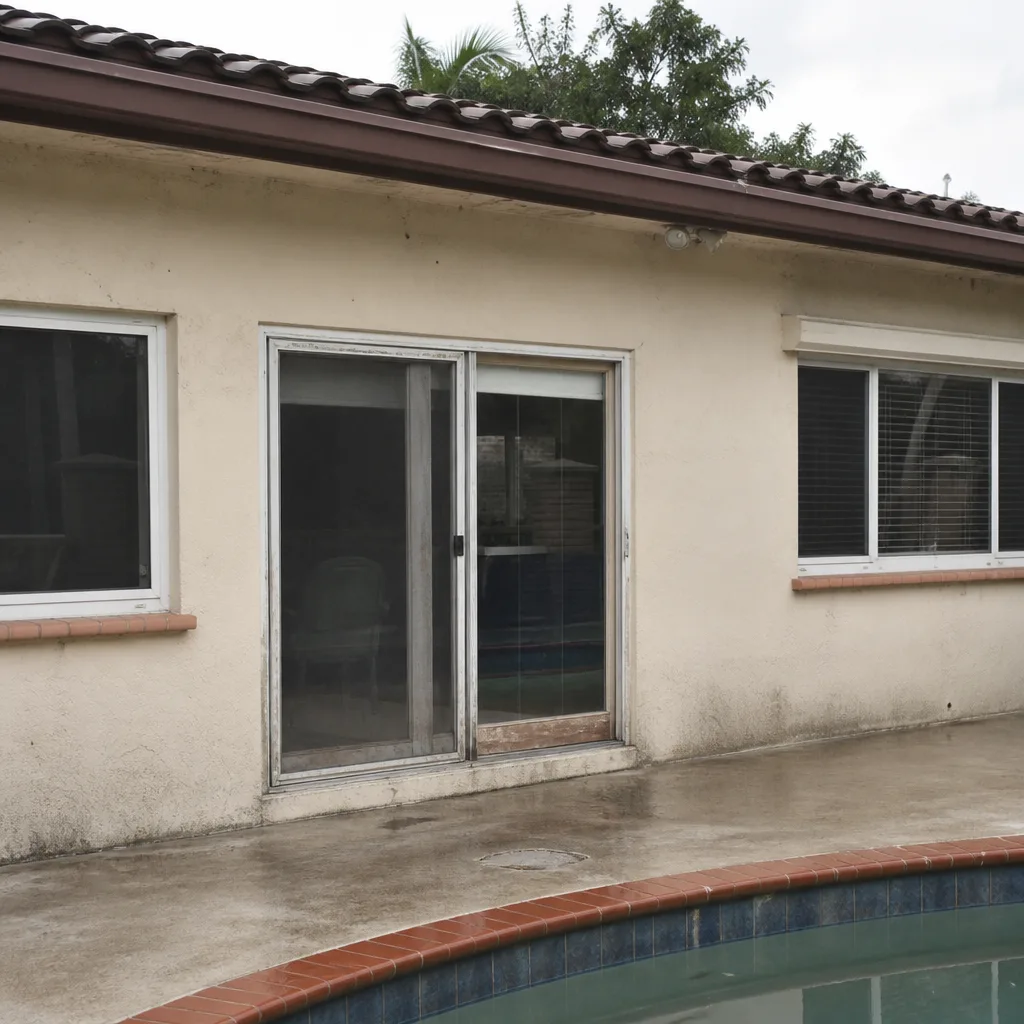 Before
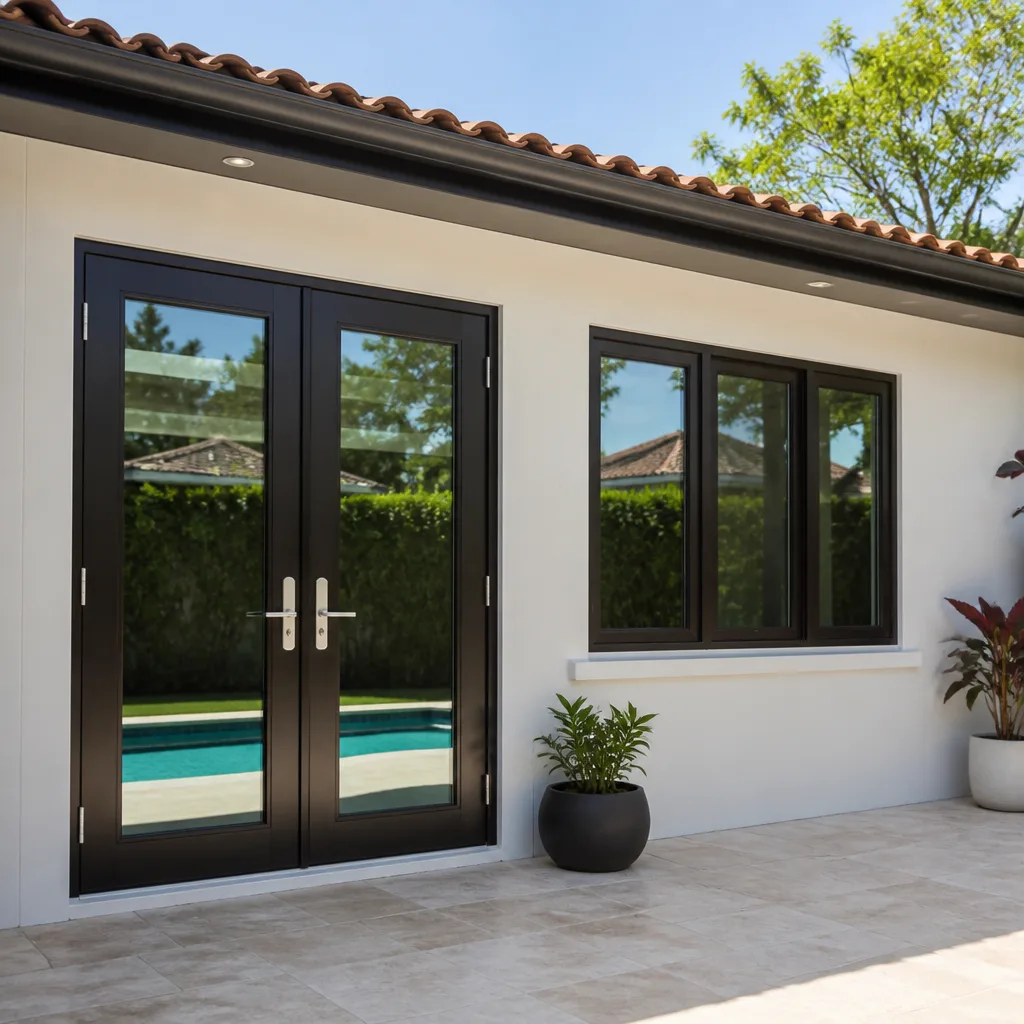 After
AfterTable of Contents
- Weep Hole Inspection and Clearing
- Testing Silicone Perimeter Seals for Salt Degradation
- Hardware Lubrication for Coastal Environments
- Interior Condensation Mapping and IG Unit Diagnosis
- Photo Documentation Protocol Post-Installation
- The North Miami Maintenance Rhythm
- Common Mistakes to Avoid
- When to Call a Professional
- Frequently Asked Questions
Weep Hole Inspection and Clearing
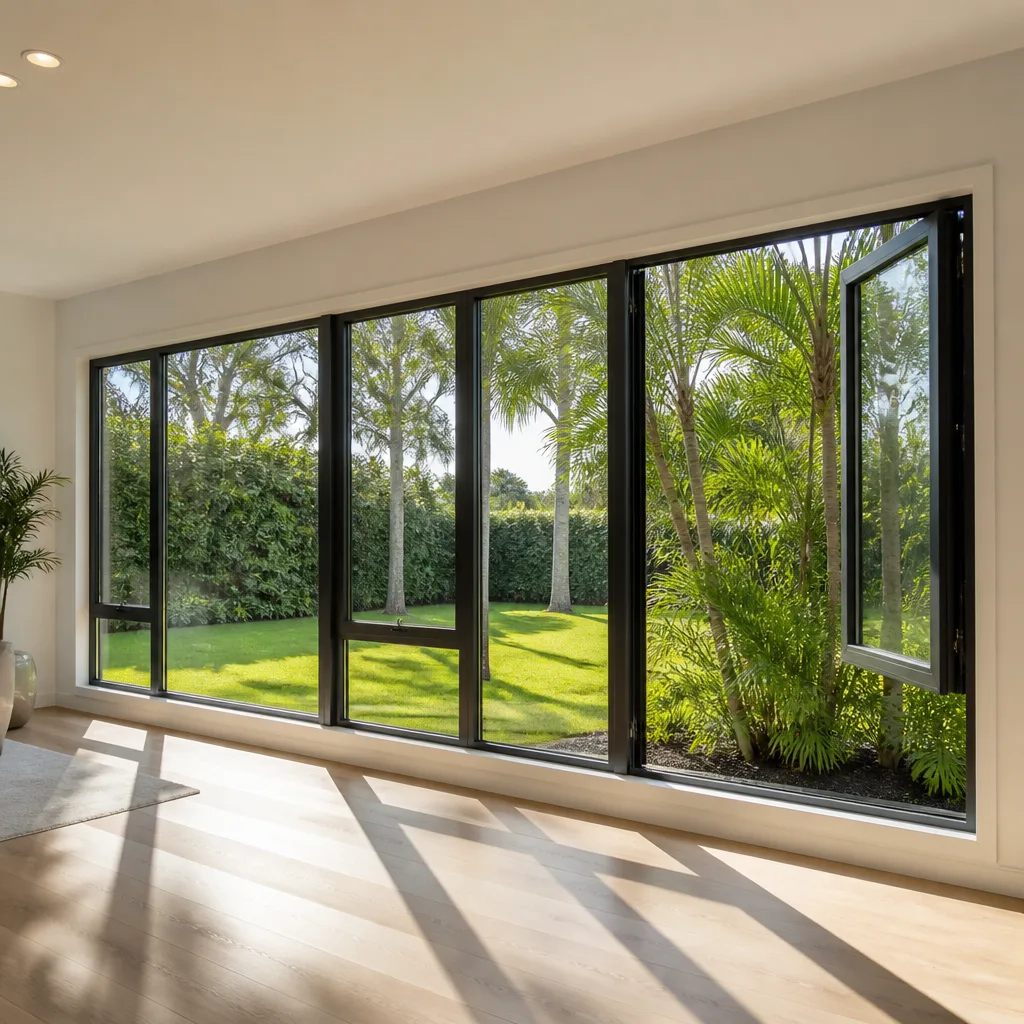
The weep hole is a small drainage slot, typically 3mm wide, machined into the bottom rail of vinyl or aluminum window frames. Its purpose is simple: allow water that enters the frame track to escape before it pools against fasteners, sill plates, or interior drywall. In North Miami, this function is complicated by salt air, which crystallizes in these openings, and by organic debris from year-round vegetation growth.
When a weep hole blocks, water has nowhere to go. It backs into the frame, accelerates corrosion of coated-steel fasteners, and wicks into the sill. We’ve documented this on inspections in Keystone Point, where homes three blocks from Biscayne Bay show frame pitting that began at a single blocked weep. The repair is not a weep hole fix - it’s a frame section replacement or full sash replacement, with a written price that reflects the scope.
What You’ll Need
- A soft-bristle bottle brush or nylon pipe cleaner (never metal on vinyl or aluminum-clad frames)
- A can of compressed air with a narrow nozzle
- A small handheld mirror or phone camera to inspect the drainage path
- A bucket of fresh water for rinsing
Step-by-Step Clearing Procedure
- Locate all weep holes on each window. Most single-hung and horizontal roller units have two per sash; picture windows may have continuous weep slots.
- Brush outward, not inward. Work from the interior toward the exterior to push debris out of the drainage channel.
- Test drainage by pouring one cup of fresh water into the track. It should exit the weep hole within 30 seconds. If it pools, the internal channel is blocked.
- Use compressed air at low pressure (under 40 PSI) to clear stubborn obstructions. Hold the nozzle at an angle to avoid driving debris deeper.
- Inspect the exterior drainage path. Ensure water does not collect against the sill or redirect toward the wall.
Frequency: Quarterly in North Miami, where salt accumulation outpaces inland climates. Homes within half a mile of Biscayne Bay or the Intracoastal may need monthly checks during peak salt spray months of March through June, when prevailing easterlies carry the highest particulate load.
One detail competitors miss: the color of the residue matters. White crystalline buildup is salt - expected. Black or green residue indicates mold or algae colonization, which means moisture is lingering too long. Reddish-brown staining signals active fastener corrosion inside the frame. Document this with photos; it is evidence of a developing problem, not routine maintenance.
Testing Silicone Perimeter Seals for Salt Degradation
The silicone bead where window frame meets wall is not decorative. In North Miami, it is the primary barrier against wind-driven rain and the secondary barrier against salt air infiltration. Two failure modes exist: age-related plasticization, where the silicone loses elasticity and cracks; and salt-catalyzed depolymerization, where airborne chlorides break the silicone polymer chain itself. The second mode is faster, less visible, and specific to coastal environments.
Standard advice says “look for cracks.” That catches age failure. It misses salt failure, which often presents as surface chalking or a tacky, gummy texture - the silicone is degrading from the outside in, and the interior may still appear intact.
The Pinch Test
Gently pinch a section of seal between thumb and forefinger. Properly cured silicone should feel firm and elastic, returning to shape immediately. Salt-degraded silicone feels soft, may string or smear, and leaves a residue on your fingers. Age-cracked silicone is brittle and may flake.
Which Type Requires Immediate Replacement
- Salt degradation (tacky/gummy/chalky): Replace within 30 days. The polymer is actively breaking down, and the seal is no longer a barrier. Salt air is penetrating to the rough opening.
- Age cracking (brittle, visible fissures): Replace within the maintenance season. The seal has failed but is not actively accelerating other damage.
- Surface discoloration only: Monitor. Some UV chalking is cosmetic and does not indicate polymer failure.
Product specification matters for replacement. In North Miami, we specify neutral-cure silicone with a Shore A hardness of 25-35 and UV stabilizers rated for marine environments. Acid-cure silicone releases acetic acid during curing, which corrodes aluminum frames - a common error we correct on window replacement in North Miami jobs where prior work used the wrong chemistry.
The perimeter seal is also where window installation in North Miami quality reveals itself. A proper install includes backer rod and a two-stage seal: primary sealant against the frame, secondary sealant against the wall. Single-bead installations, common in faster work, fail faster because they lack the engineered compression zone that accommodates thermal movement.
Hardware Lubrication for Coastal Environments
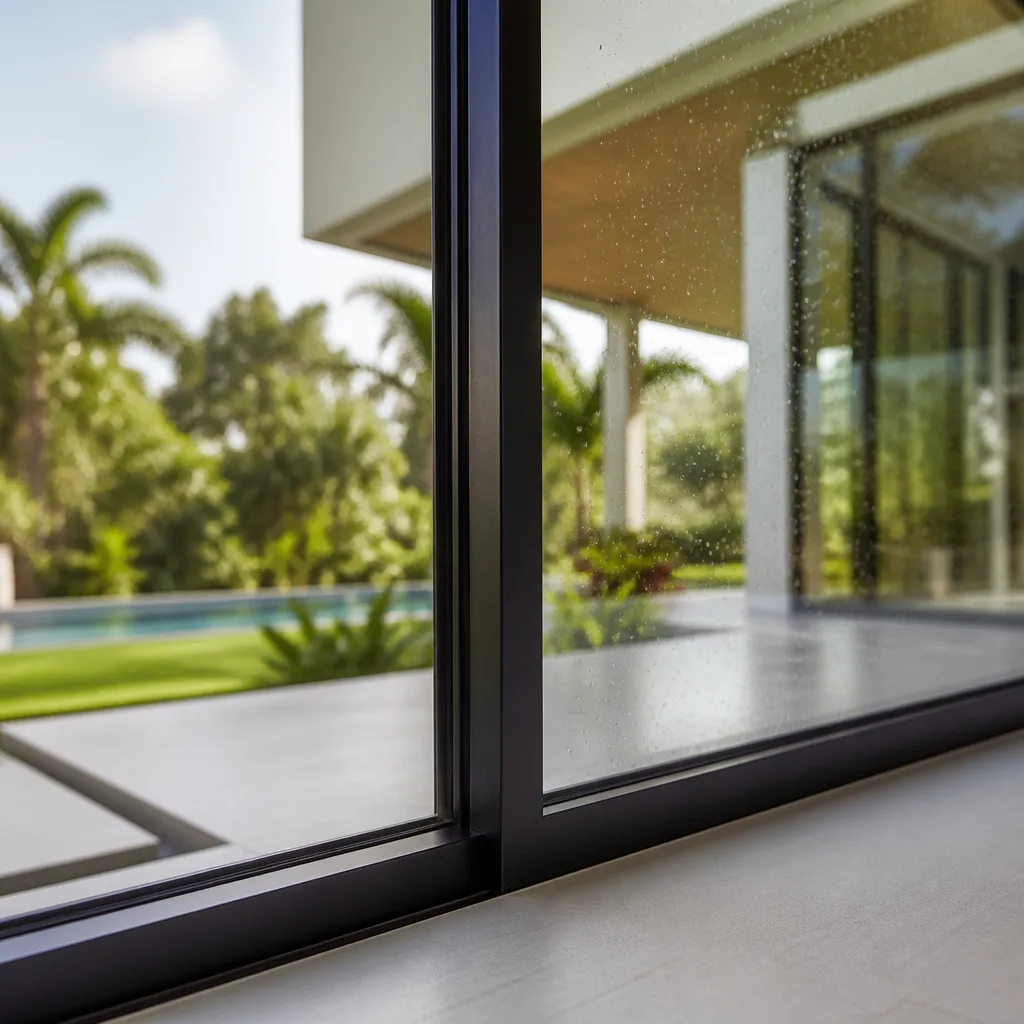
Window operators - cranks, locks, hinges, rollers - are manufactured from either stainless steel or coated carbon steel. In North Miami’s salt air, these materials behave differently, and the lubricants that protect them are not interchangeable.
Stainless hardware resists corrosion but is not immune. It can gall (cold-weld to itself under load) if operated dry. Coated-steel hardware relies on its coating for protection; once breached by wear or impact, the underlying metal corrodes rapidly. The lubrication schedule and product choice must account for this.
Stainless Steel Operators
Use a dry-film lubricant: PTFE-based spray or a light application of white lithium grease that dries to a film. Avoid petroleum-based wet lubricants; they attract salt-laden dust that forms an abrasive paste. Frequency: every six months for operable windows, or whenever operation feels rough.
Coated-Steel Operators
Use a corrosion-inhibiting grease with marine rating, such as a calcium-sulfonate complex grease. Inspect the coating first: any chips, scratches, or wear spots require touch-up with a compatible paint or replacement of the component. Frequency: every four months, with visual inspection for coating breach each time.
What Not to Use
- WD-40 as a lubricant: it displaces water but provides no lasting film and attracts dust
- Graphite on exposed surfaces: conducts electricity and accelerates galvanic corrosion in mixed-metal assemblies
- Household oils (3-in-1, motor oil): wash out in rain, attract contaminants, degrade plastic components
We’ve replaced operators in Sans Souci and North Miami Beach homes where the wrong lubricant turned the hardware into a grinding surface. The Sightline Windows & Doors North Miami home team documents hardware material in every measured survey; if you don’t know what you have, that documentation is your reference.
Interior Condensation Mapping and IG Unit Diagnosis
Condensation on windows is not automatically a sign of failure. In North Miami, it is often a sign of interior humidity meeting a thermally efficient surface - the window is doing its job. The diagnostic task is distinguishing normal condensation from a failed insulated glass (IG) unit seal, which allows moist exterior air between the panes where it cannot be wiped away.
The Hygrometer Method
A $12 digital hygrometer placed near the window for 24 hours provides objective data. Record the reading and the exterior temperature.
- Interior relative humidity above 60% with condensation on multiple windows: environmental, not a window defect. Address with dehumidification or HVAC adjustment.
- Interior relative humidity below 50% with condensation on a single window, especially between the panes: probable IG seal failure.
- Condensation that cannot be wiped from either interior or exterior surface: confirmed IG seal failure. The desiccant inside the spacer is saturated, and the unit is no longer insulating.
Mapping Protocol
- Sketch your floor plan and note every window with condensation, the date, time, exterior temperature, and hygrometer reading.
- Photograph each occurrence from the same angle, with a timestamp.
- After two weeks of data, patterns emerge. South-facing units with morning condensation are likely environmental. North-facing units with persistent fogging between panes are likely seal failures.
IG unit seal failure in North Miami is accelerated by thermal cycling - the daily temperature swing between 75°F overnight and 90°F afternoon sun - and by UV exposure that degrades the edge seal adhesive. Quality units from manufacturers like PGT and CGI use warm-edge spacers and dual-seal construction that extends service life, but no seal is permanent. For a deeper look at budgeting for these systems, see our Windows & Doors Cost Breakdown: The North Miami Homeowner’s Reference for 2026. The 365-Day Done Right Promise covers seal failure within the first year; beyond that, documented evidence of the failure pattern supports warranty claims with the manufacturer.
Photo Documentation Protocol Post-Installation
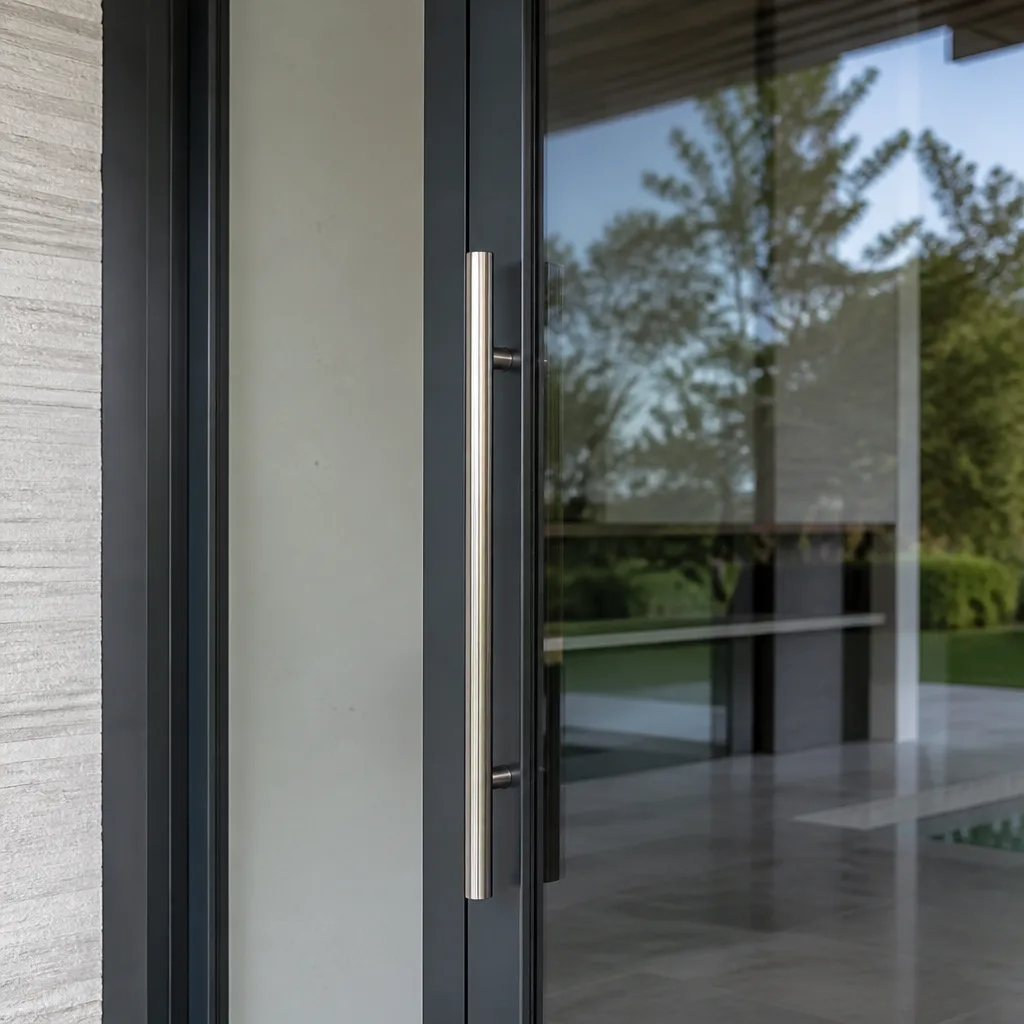
Every window installation in North Miami we complete includes a documented photo record - Haven Clause 4, Evidence on Every Job. Homeowners should maintain their own parallel documentation, because the baseline photos you capture in month one are the reference for every future inspection.
What to Capture
- Full-frame shot of each window from interior and exterior, showing wall condition, sill, and surrounding trim
- Close-up of the weep holes, clear and unobstructed
- Close-up of the silicone perimeter seal, continuous and properly tooled
- Hardware detail, showing material and condition
- Manufacturer label or etched glass marking, visible and legible
- Any existing damage, discoloration, or irregularity - documented now to avoid dispute later
Where to Store It
Cloud storage with automatic backup: Google Drive, iCloud, or Dropbox, organized by room and date. Local storage only (phone, computer) is insufficient; devices fail, and the documentation is worthless if inaccessible. Share access with your household manager or property contact.
The measured survey Sightline provides at installation is the written baseline; your photos are the visual baseline. Together, they form the evidence chain that supports warranty claims, insurance disputes, and resale disclosures. In North Miami’s active real estate market, documented window condition is a transferable asset.
The North Miami Maintenance Rhythm
Standard maintenance calendars use seasons: spring cleaning, fall inspection. North Miami has two seasons - wet and dry - and the relevant calendar is driven by environmental load, not temperature.
March Through June: High Salt Load
Prevailing easterlies carry maximum salt particulate. Focus on exterior surfaces: weep holes, perimeter seals, hardware coating integrity. Rinse exterior frames monthly with fresh water if within a quarter mile of open water.
July Through October: High Rain Load
Hurricane season brings wind-driven rain that tests every seal. Inspect after named storms for seal displacement, impact damage, and water intrusion at sills. Document any changes with dated photos.
November Through February: High Humidity Load
Cooler temperatures reduce air conditioning run time, raising interior relative humidity. Monitor condensation patterns. Run dehumidification to keep interior RH below 55%.
| Task | Frequency | Peak Risk Months |
|---|---|---|
| Weep hole inspection and clearing | Quarterly; monthly near coast | March-June |
| Silicone seal pinch test | Annually | July-October (post-storm) |
| Hardware lubrication | Every 4-6 months | Year-round |
| Condensation mapping with hygrometer | Bi-annually | November-February |
| Full photo documentation update | Annually | January (baseline comparison) |
| Professional inspection | Every 3 years, or after named storm | Post-event |
This rhythm acknowledges what generic checklists ignore: North Miami windows face simultaneous exterior and interior stressors, and maintenance must address both.
Common Mistakes to Avoid
- Using metal probes on vinyl or aluminum-clad frames. A wire or screwdriver tip scratches the protective coating, creating a corrosion initiation point that spreads under the finish. Use only nylon or soft-bristle tools.
- Pressure-washing window frames directly. High-pressure water drives debris into weep holes, forces water past seals, and can deform vinyl jambs. Rinse with a gentle hose spray, never a pressure washer nozzle.
- Applying silicone sealant over old silicone without removal. New silicone will not bond to degraded silicone. The repair fails within months, trapping moisture behind a cosmetic layer. Remove old sealant to bare substrate before reapplication.
- Ignoring interior humidity because “it’s Florida.” Sustained interior RH above 60% degrades window seals from the inside, promotes mold at sills, and voids some manufacturer warranties. Control the environment, not just the window.
- Skipping documentation because “the installer has photos.” Installer photos document completion condition. You need photos at month one, year one, and year five to establish degradation rate and support claims.
- Assuming impact-rated windows are maintenance-free. Impact glass and reinforced frames withstand debris but not salt, humidity, or neglected drainage. The impact rating is a performance standard, not a durability guarantee.
- Waiting for visible water intrusion to act. By the time drywall stains appear, the rough opening has been wet for months. Inspect proactively; repair at the first evidence of seal degradation.
When to Call a Professional
Some conditions exceed homeowner maintenance scope. Call for professional evaluation if you observe: fogging between IG unit panes that persists more than 48 hours; frame distortion, cracking, or separation at corners; water staining on interior drywall below or beside the window; hardware that binds, grinds, or operates with visible effort; or any impact damage to glass or frame following a storm event.
Sightline Windows & Doors North Miami offers free estimates in North Miami - call (786) 706-0468. Every estimate includes a measured survey you keep, a written scope with line-item pricing, and documentation of findings. We also provide a free second opinion on any written estimate from another contractor; bring us the document and we will review it at no charge.
Frequently Asked Questions

Professional window maintenance inspection and basic service in North Miami typically runs $150-$350 for a single-family home, depending on opening count and access conditions. This covers weep hole clearing, seal inspection, hardware service, and a documented condition report. Call (786) 706-0468 for an exact quote - estimates are free.
No. Sightline’s written price before any work starts is Haven Clause 1; the measured survey and the quote are the same document. If we find concealed damage during maintenance, we document it, explain the scope change, and provide a separate written authorization before additional work proceeds.
Vinyl and aluminum-framed windows with impact-rated glass should last 20-30 years in North Miami with proper maintenance. Salt exposure without maintenance can reduce this to 10-15 years. The critical variable is not the frame material but the drainage and seal integrity - the elements this checklist addresses.
Yes. Homes within a half mile of open water face approximately double the salt particulate load of inland North Miami. Increase weep hole inspection to monthly, rinse exterior frames quarterly, and inspect hardware coatings every four months rather than six. The maintenance tasks are identical; the frequency increases.
Not necessarily. Big-box silicone is often acetoxy-cure (acid-cure) formula, which releases acetic acid and corrodes aluminum. For North Miami’s coastal environment, specify neutral-cure, marine-rated silicone with UV stabilizers. If the label does not specify neutral-cure, do not use it on aluminum or vinyl-clad frames.
Look for a permanent mark etched in the glass corner or on the frame label, showing compliance with Miami-Dade County Product Control Approval, Florida Building Code TAS 201, or ASTM E1886/E1996. The marking includes a product approval number. If you cannot locate this, the window may be non-impact or the marking may be obscured; a professional inspection can verify rating and document it for your records.
The Bottom Line
North Miami window maintenance is not about following a generic calendar. It is about managing two simultaneous threats: salt air from the outside, and humidity from the inside. Quarterly weep hole clearing, annual seal testing with the pinch method, bi-annual hardware lubrication matched to your material, and continuous condensation mapping with a cheap hygrometer - these four practices, plus disciplined photo documentation, will extend service life and protect the investment you made at installation. For more guides & resources, explore our blog. The alternative is deferred maintenance that converts a $200 service call into a $2,000 replacement, with no documentation to support a warranty claim.
Call (786) 706-0468 to schedule your free estimate. Every Sightline engagement begins with a measured survey you keep, a written price before any work starts, and a documented photo record when the job is done - the Haven Standard since 2012.
Written by Sonia Raman, Owner at Sightline Windows & Doors North Miami, serving North Miami since 2012.
Six Reasons Homeowners Choose Sightline Windows & Doors North Miami

Impact systems engineered to design pressures up to +/-100, matched to your wind zone - your openings hold when the storm arrives.
Low-E insulated impact glass from our manufacturer lines commonly cuts monthly cooling bills 20-30%.
Laminated impact glass shuts out up to 40% of outside noise - traffic, neighbors, weather.
Monitoring services run $30-90 a month. Laminated impact glass resists forced entry around the clock, with no subscription.
Florida homeowners average around 25% savings on the windstorm portion of their policy after protecting every opening - some homes qualify for more.
A full impact package upgrades curb appeal, buyer confidence and appraised value in one project.
Other Sightline Windows & Doors North Miami Services
What Neighbors Say About Sightline Windows & Doors North Miami